Best Energy Saving Tips to Lower Your Electricity Bill
In an era of rising utility costs and increasing environmental awareness, finding the best energy saving tips to lower your electricity bill has become more than just a financial necessity; it is a lifestyle choice that benefits both your wallet and the planet. Many homeowners feel overwhelmed by the prospect of reducing energy consumption, fearing that it requires significant sacrifices in comfort or massive upfront investments. However, the reality is that energy efficiency is often achieved through a combination of small behavioral changes, simple maintenance tasks, and strategic technological upgrades. This comprehensive guide explores every facet of home energy management, providing you with a roadmap to achieve a leaner, greener, and more cost-effective household.
1. Master Your Climate Control: The HVAC Revolution
Heating, ventilation, and air conditioning (HVAC) systems are typically the single largest consumers of electricity in a standard residential home, often accounting for nearly 50% of the total energy bill. Optimizing this system is the most impactful step you can take.
- Install a Smart Thermostat: Devices like the Nest or Ecobee learn your schedule and automatically adjust temperatures. Setting your thermostat just 7-10 degrees back from its normal setting for 8 hours a day can save you up to 10% a year on cooling and heating.
- Regular Filter Changes: A clogged filter forces your HVAC system to work significantly harder to circulate air. Replace your filters every 90 days, or every 30 days if you have pets, to maintain peak efficiency.
- Seal the Ducts: Leaky ductwork can account for 20-30% of energy loss. Use mastic sealant or metal tape to close gaps in visible ducts in the attic or basement.
- Utilize Ceiling Fans: In the summer, run fans counter-clockwise to create a wind-chill effect. In the winter, reverse the direction to push warm air trapped at the ceiling back down into the living space.
2. Lighting: The Switch to Efficiency
Lighting accounts for about 10% of the average home's energy use. While it may seem minor compared to HVAC, the transition to modern lighting solutions offers one of the highest returns on investment in terms of effort versus savings.
The LED Advantage
If you are still using incandescent or halogen bulbs, you are essentially paying for heat rather than light. LED (Light Emitting Diode) bulbs use at least 75% less energy and last 25 times longer than incandescent lighting. Replacing just five of your home’s most frequently used light fixtures with LED models can save you significant money annually.
- Task Lighting over Ambient Lighting: Instead of lighting an entire room, use focused lamps for reading or cooking.
- Motion Sensors: Install motion-sensor switches in bathrooms, garages, and laundry rooms to ensure lights are never left on accidentally.
- Maximize Natural Light: Keep curtains open during the day to utilize free sunlight, but close them at night to provide an extra layer of insulation against the cold.
3. Kitchen Efficiency: Cooking Up Savings
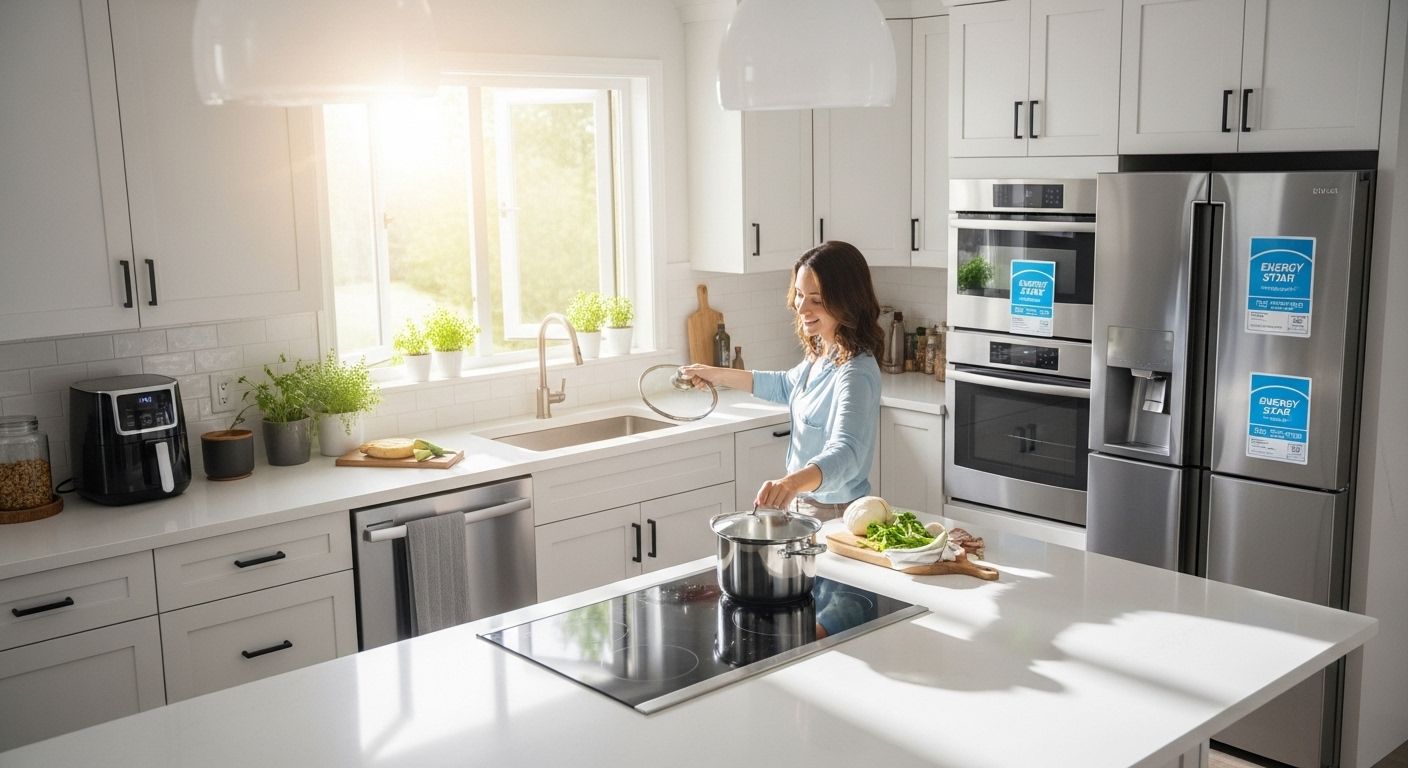
The kitchen is a hub of energy activity. Between the refrigerator running 24/7 and the high-draw heating elements of the stove and oven, there are numerous opportunities to optimize.
The Refrigerator: Keep your fridge set between 37 and 40 degrees Fahrenheit and your freezer at 0 degrees. Ensure the door seals (gaskets) are airtight. A simple test is to close the door on a dollar bill; if you can pull it out easily, your seal is failing and your fridge is leaking expensive cold air. Also, remember to vacuum the condenser coils at the back or bottom of the unit every six months to improve heat exchange.
Smart Cooking Habits: Whenever possible, use a microwave, toaster oven, or air fryer instead of a full-sized oven. These smaller appliances use significantly less energy and don't heat up your entire kitchen, which saves on cooling costs in the summer. When using the stove, always match the pot size to the burner size to prevent heat loss around the edges.
4. The Building Envelope: Sealing the Leaks
Your home's "envelope" consists of the walls, roof, windows, and doors. If this envelope is compromised, you are essentially paying to heat or cool the outdoors. Weatherization is the process of protecting your interior environment from the exterior elements.
Start by identifying air leaks. On a windy day, hold a lit incense stick near window frames, door frames, and electrical outlets. If the smoke wafts horizontally, you've found a leak. Use caulk for permanent gaps and weatherstripping for moveable parts like doors and windows. Don't forget the attic; adding an extra layer of fiberglass or cellulose insulation can be one of the most cost-effective ways to lower your bill, as heat rises and escapes through the roof in the winter.
5. Water Heating: A Hidden Giant
Water heating is typically the second-largest energy expense in a home. Most manufacturers set water heater thermostats to 140 degrees Fahrenheit by default, but for most households, 120 degrees is more than sufficient and prevents scalding while saving up to 5% in energy costs. If you have an older tank-style heater, consider wrapping it in an insulating blanket to reduce standby heat loss. For those looking at long-term investments, a tankless water heater or a heat pump water heater can offer massive savings over time.
6. Eliminating Phantom Power (Vampire Energy)
Did you know that many electronics continue to draw power even when they are turned off? This is known as phantom power or "vampire energy." Devices like televisions, game consoles, and computer monitors remain in a "standby" mode that siphons electricity 24 hours a day. To combat this, use smart power strips that automatically cut power to peripheral devices when the primary device (like a TV) is turned off. Alternatively, simply unplugging chargers and small appliances when not in use can save the average household over $100 per year.
7. Long-Term Strategic Investments
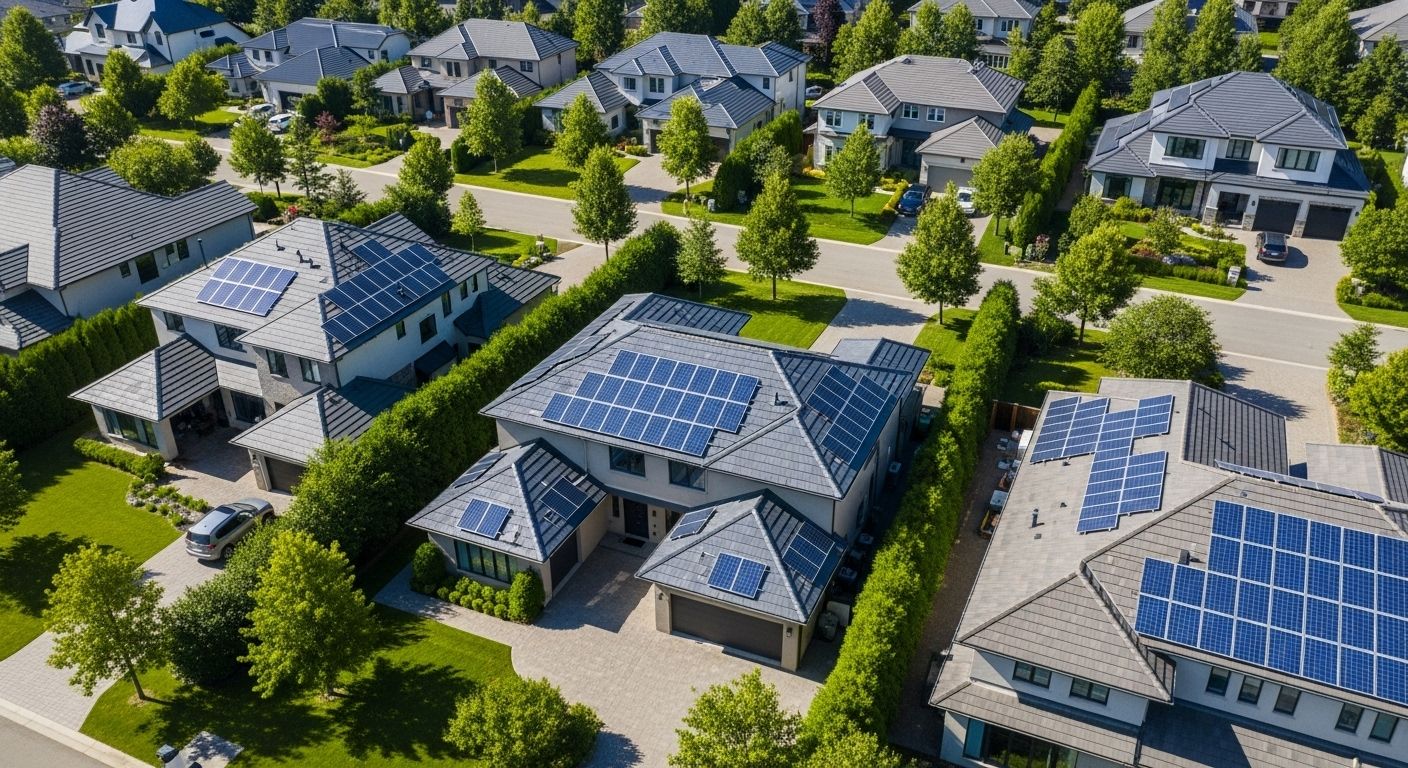
While behavioral changes are free, some investments pay for themselves many times over. If your windows are single-pane, upgrading to double or triple-pane windows with low-E coatings can dramatically reduce heat transfer. Similarly, if your roof is due for replacement, consider cool-roof materials that reflect more sunlight and absorb less heat. Finally, the installation of solar panels has become increasingly affordable due to federal tax credits and falling hardware costs, allowing many homeowners to eliminate their electricity bills entirely over time.
Conclusion: Taking the First Step
Lowering your electricity bill is not an all-or-nothing endeavor. It is a journey of continuous improvement. By starting with the low-hanging fruit—like adjusting your thermostat, switching to LEDs, and sealing air leaks—you will see immediate results on your next utility statement. Over time, as you incorporate smarter technologies and better habits, these savings will compound, providing you with more financial freedom and a smaller carbon footprint.