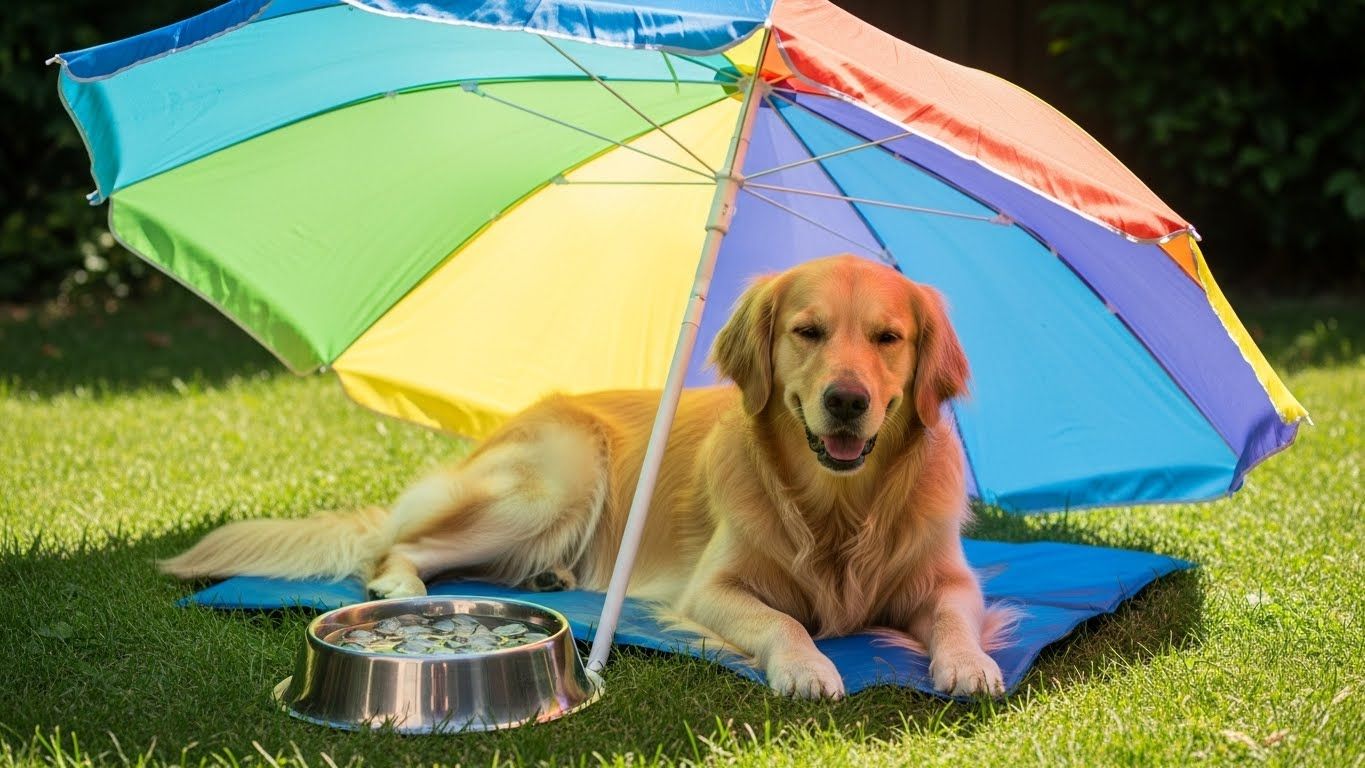
As the mercury rises and the days grow longer, we all look forward to spending more time outdoors. But for our four-legged companions, the summer heat brings hidden dangers that can escalate from uncomfortable to life-threatening in a matter of minutes. Heatstroke in pets is not just about being "a little too hot"—it is a medical emergency that claims thousands of beloved animals every year.
Unlike humans, who can sweat profusely to cool down, our pets have very limited cooling mechanisms. They rely primarily on panting and minor sweating through their paw pads. This makes them significantly more susceptible to overheating. Whether you are an experienced dog owner, a cat lover, or a guardian of small mammals, understanding the nuances of thermal regulation is your first line of defense.
In this guide, we aren't just going to tell you to "keep them inside." We are going to dive deep into the physiology of heatstroke, identifying the subtle warning signs you might miss, and providing actionable, vet-approved strategies to ensure your pet thrives even during the hottest months of the year.
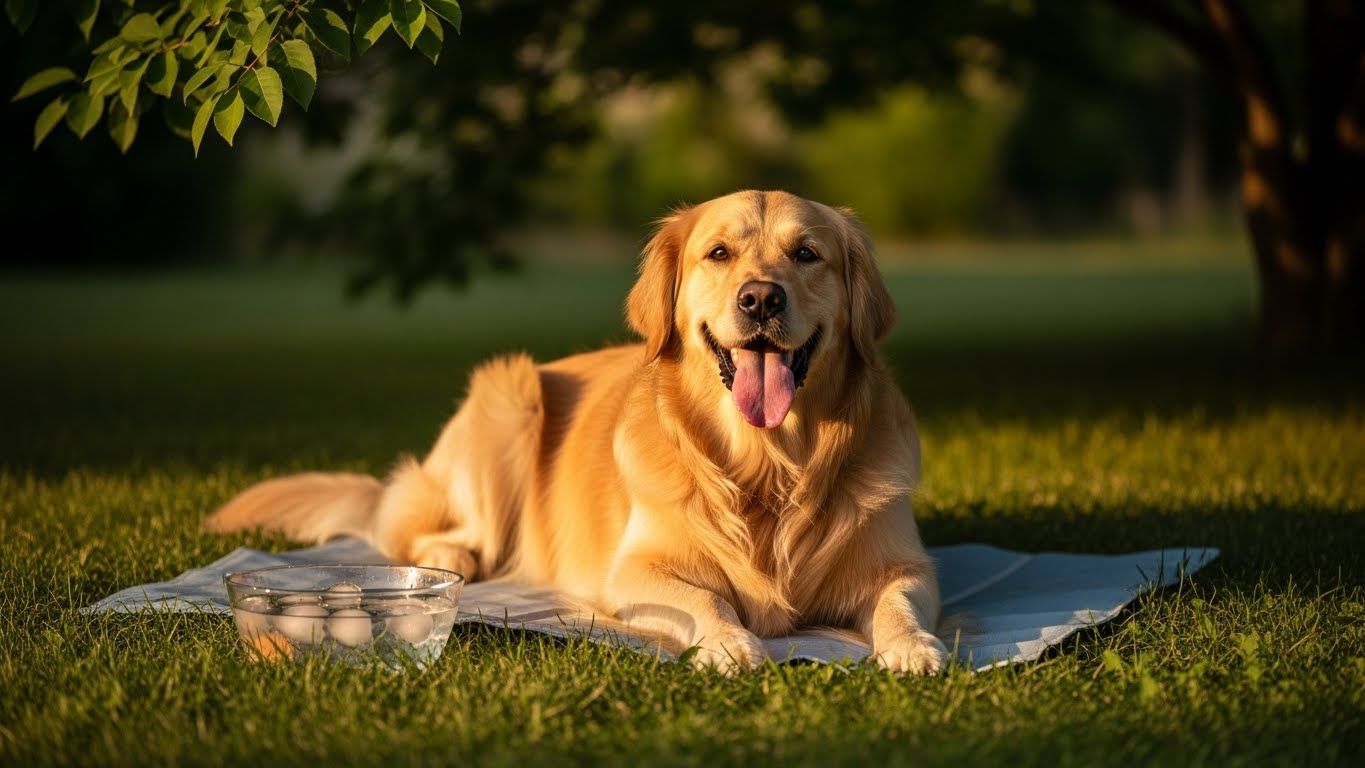
The Science: Why Pets Overheat Faster Than You Think
To protect your pet, you first need to understand their biology. Thermoregulation—the body's ability to maintain a core internal temperature—works differently across species. When a human's core temperature rises, our entire body acts as a radiator, sweating to evaporate heat away. Dogs and cats, however, are essentially wearing a fur coat that traps heat.
The "Panting" Mechanic:
Panting moves cool air over the moist surfaces of the tongue and lungs, transferring heat to the atmosphere. However, this system has a critical flaw: it relies on the environmental temperature being cooler than the animal's body temperature. When the humidity is high, or the air temperature approaches the animal's body temp (roughly 101-102.5°F or 38-39°C), panting becomes ineffective. In fact, excessive panting can actually generate more internal heat due to muscle exertion.
Recognizing the Red Flags: Signs of Heatstroke
Heatstroke (hyperthermia) doesn't happen instantly; it progresses through stages. Catching it in the "heat exhaustion" phase can save your pet's life.
1. The Early Warning Signs (Heat Exhaustion)
- Excessive Panting: If the panting is constant, loud, or sounds harsh, pay attention.
- Restlessness: The animal seems unable to get comfortable, constantly seeking cooler spots.
- Excessive Drooling: Thick, ropey saliva is a sign of dehydration and distress.
- Reddened Gums: Instead of healthy pink, gums may turn bright red or purple.
2. The Danger Zone (Heatstroke)
- Lethargy or Disorientation: Your pet may stumble, bump into things, or refuse to move.
- Vomiting or Diarrhea: Often containing blood.
- Elevated Heart Rate: A racing pulse even when resting.
- Collapse or Seizures: This indicates neurological damage is beginning.
.png)
Proactive Prevention: The "Cool-Down" Strategy
Prevention is always cheaper, safer, and less stressful than emergency treatment. Here is a comprehensive strategy to heat-proof your pet's life.
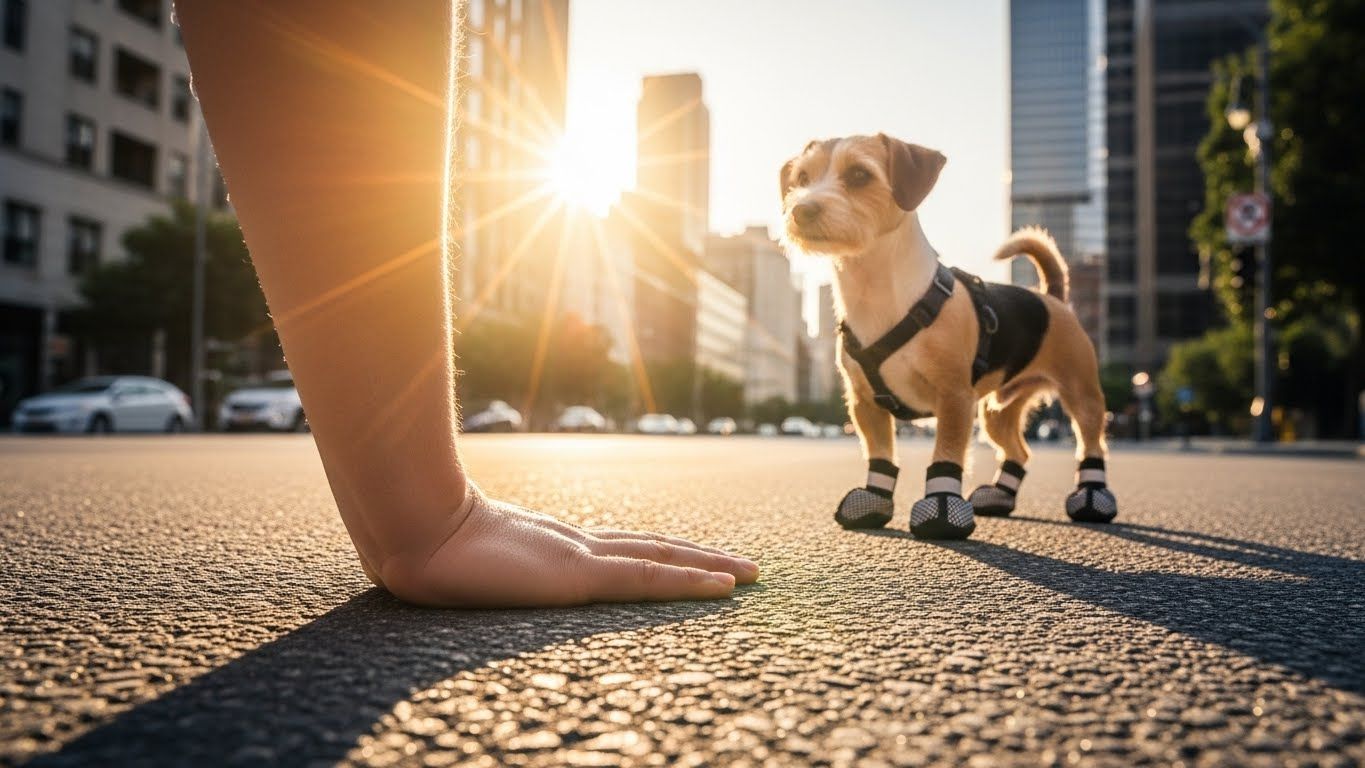
The 5-Second Pavement Rule
One of the most common injuries in summer is burnt paw pads. Asphalt and concrete absorb and retain heat, often reaching temperatures 40-60 degrees higher than the air temperature. If it is 85°F (29°C) outside, the asphalt can be 135°F (57°C)—hot enough to fry an egg.
The Test: Place the back of your hand on the pavement. If you cannot hold it there comfortably for five full seconds, it is too hot for your dog to walk on.
Hydration Hacks
Water in a bowl isn't always enough. You need to encourage drinking:
- Multiple Stations: Place water bowls in every room and outside.
- Ice Cubes: Many dogs love chasing and crunching on ice cubes.
- Pet Fountains: Cats specifically prefer running water; a fountain can increase their intake significantly.
- Electrolytes: Consult your vet about pet-safe electrolyte supplements for extremely hot days.
Timing is Everything
Adjust your walking schedule. Exercise your pets early in the morning (before 8 AM) or late in the evening (after 8 PM). Mid-day is strictly for quick bathroom breaks in shaded areas.
The "Hot Car" Myth: It Happens Faster Than You Think
A Stanford University study showed that even on a relatively mild 70°F (21°C) day, the interior of a car can reach 115°F (46°C) within an hour. On a 90°F (32°C) day, the interior can climb to a lethal 109°F (42°C) in just 10 minutes. Cracking the windows has been scientifically proven to have a negligible effect on this temperature rise. If you cannot take your pet inside the store, leave them at home.
High-Risk Categories: Who Needs Extra Care?
While all animals are at risk, some genetics make the heat even more dangerous.
Brachycephalic Breeds
Dogs and cats with flat faces—Pugs, French Bulldogs, Boxers, Persian cats—have anatomically restricted airways. Their ability to pant effectively is severely compromised. These breeds should be kept in air-conditioned environments almost exclusively during high heat.
Seniors and Puppies
Young animals have not fully developed their temperature regulation systems, while older pets may have underlying conditions (like heart disease or laryngeal paralysis) that reduce their tolerance.
Double-Coated Breeds
Huskies, Malamutes, and Shepherds have thick undercoats. Myth Buster: Do not shave these dogs to the skin! Their coat actually acts as insulation, keeping heat out as well as in, and protecting their skin from sunburn. Instead, focus on brushing out the loose undercoat to allow air circulation.
Emergency Response: What to Do If Heatstroke Strikes
If you suspect your pet is suffering from heatstroke, immediate action is required. However, you must not cool them down too quickly, as this can cause shock.
- Move to Cool Area: Immediately get them into air conditioning or deep shade.
- Check Temperature: If you have a rectal thermometer, check their temperature. Above 104°F is an emergency.
- Cool Water (Not Ice): Wet their paw pads, belly, and ears with cool or tepid water. Do not submerge them in an ice bath, as this constricts blood vessels and traps heat inside the core organs.
- Airflow: Place them in front of a fan.
- Transport: Get to the vet immediately, even if they seem to be recovering. Heatstroke can cause internal organ damage (kidney failure, blood clotting issues) that isn't immediately visible. Keep the car air conditioner on full blast during the trip.
.png)
Creative Cooling: DIY Treats & Tricks
Keeping cool can also be fun. Here are a few ways to enrich your pet's life while lowering their temp:
- Frozen Kongs: Stuff a Kong toy with peanut butter and banana, then freeze it. It's a long-lasting, cold treat.
- Chicken Broth Popsicles: Freeze low-sodium chicken or beef broth in ice cube trays.
- Wet Towel Bed: Leave a damp towel over a raised cooling bed for evaporative cooling.
Frequently Asked Questions (FAQ)
A: Yes! Dogs with thin coats, white fur, or pink noses can get sunburned. However, you must use pet-specific sunscreen. Human sunscreens often contain zinc oxide or PABA, which are toxic to dogs if licked off.
A: Be careful. Water sitting in a garden hose in the sun can reach near-boiling temperatures. Always let the water run for a minute and test the temperature on your own skin before spraying your pet. Once the water is cool, a gentle spray is a great way to cool down.
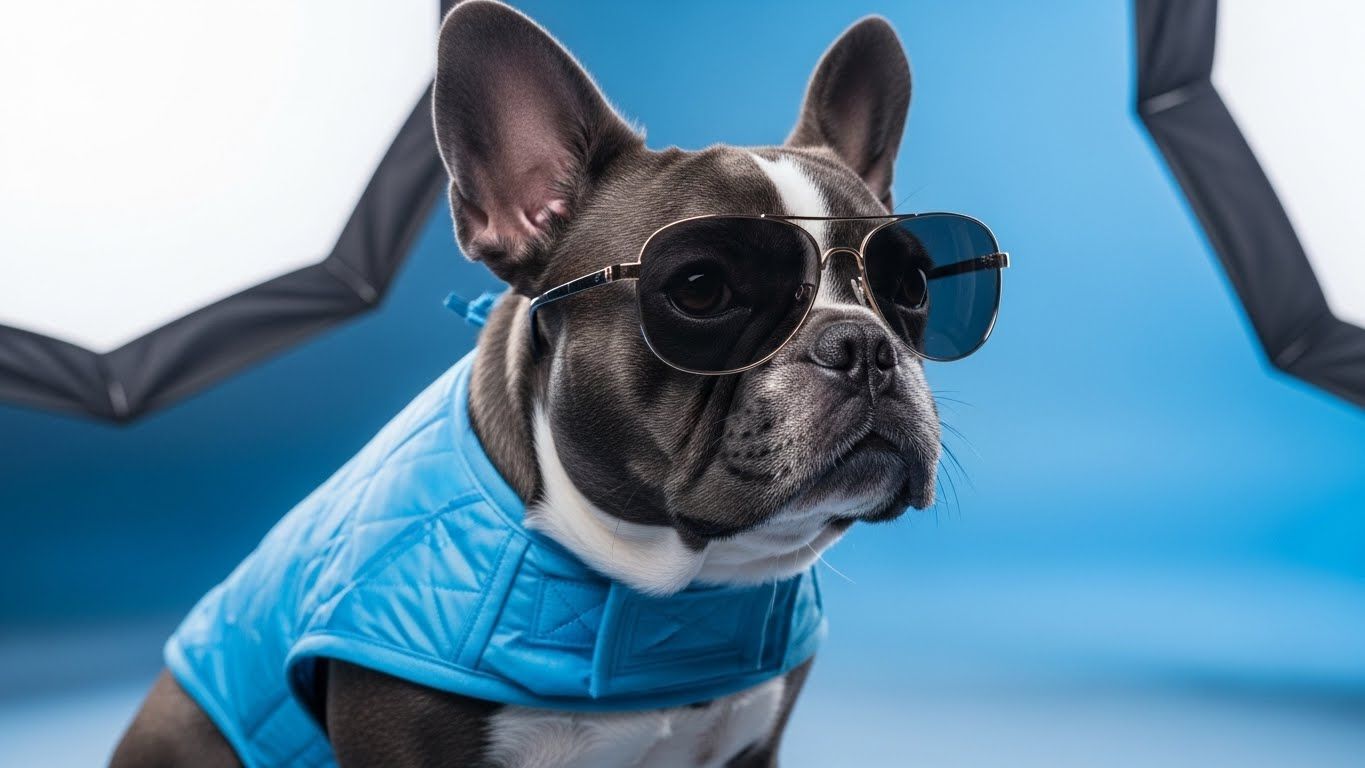
A: Yes, they rely on evaporation. You soak the vest in water, wring it out, and put it on the dog. As the water evaporates, it pulls heat from the dog's body. They are particularly useful for working dogs or breeds that struggle in the heat.
A: A general rule of thumb is 1 ounce of water per pound of body weight per day, but this increases significantly in hot weather or after exercise. Ensure unlimited access to fresh water at all times.
Conclusion
Summer is a season for adventure, bonding, and making memories with your pets. By respecting the power of the sun and understanding your pet's biological limitations, you can ensure that these warm months are filled with joy rather than emergency vet visits. Remember, your pet relies entirely on you to make good decisions for them. Be vigilant, keep them cool, and when in doubt, choose the shade.