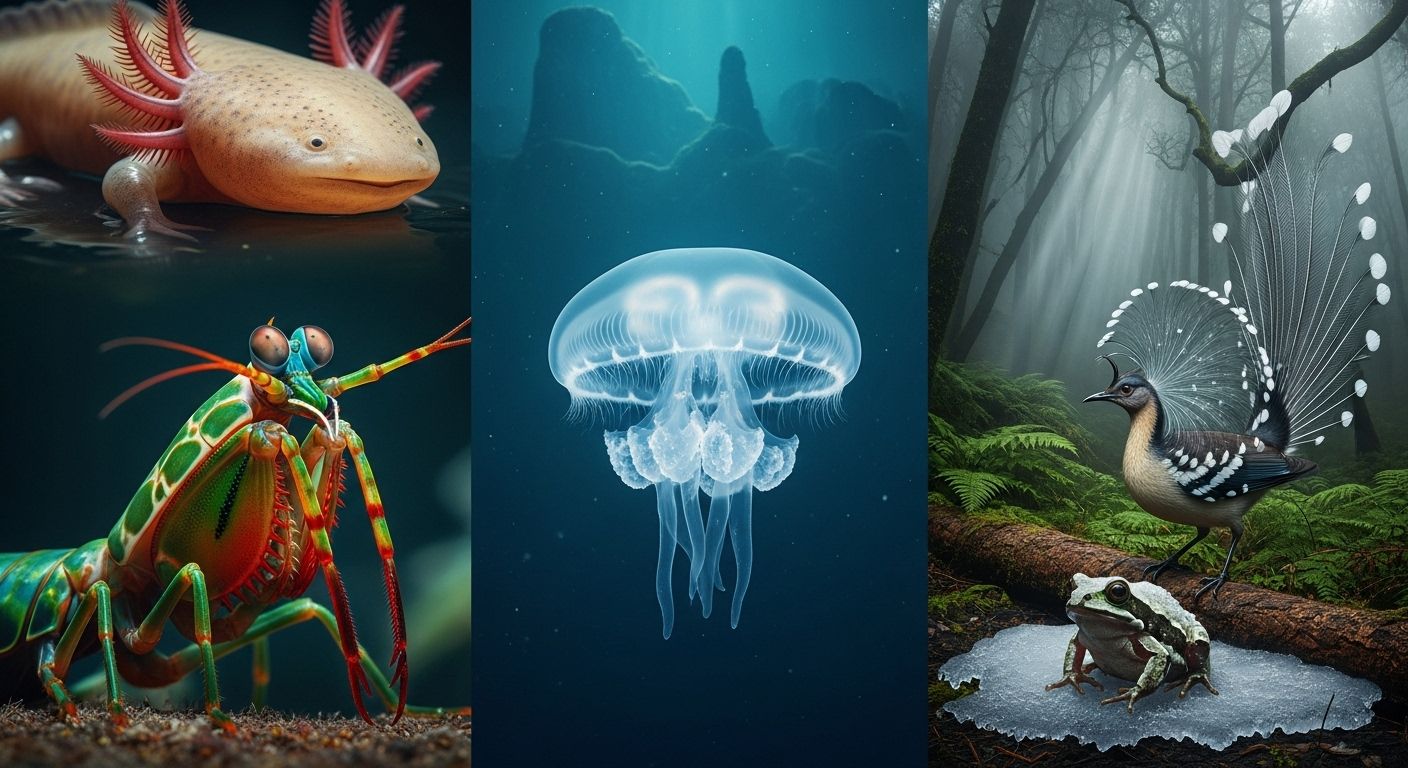
The Incredible Reality of Nature:Animal Facts That Defy Logic
Nature is far more imaginative than any science fiction writer. While we often think we understand the limits of biology, the animal kingdom consistently shatters our expectations with survival strategies, physiological quirks, and cognitive abilities that seem to violate the laws of physics. In this comprehensive exploration, we delve into the most astounding, scientifically-proven facts about the creatures that share our planet—facts that sound like urban legends but are backed by rigorous peer-reviewed research.
1. The Biological Immortality of the Turritopsis Dohrnii
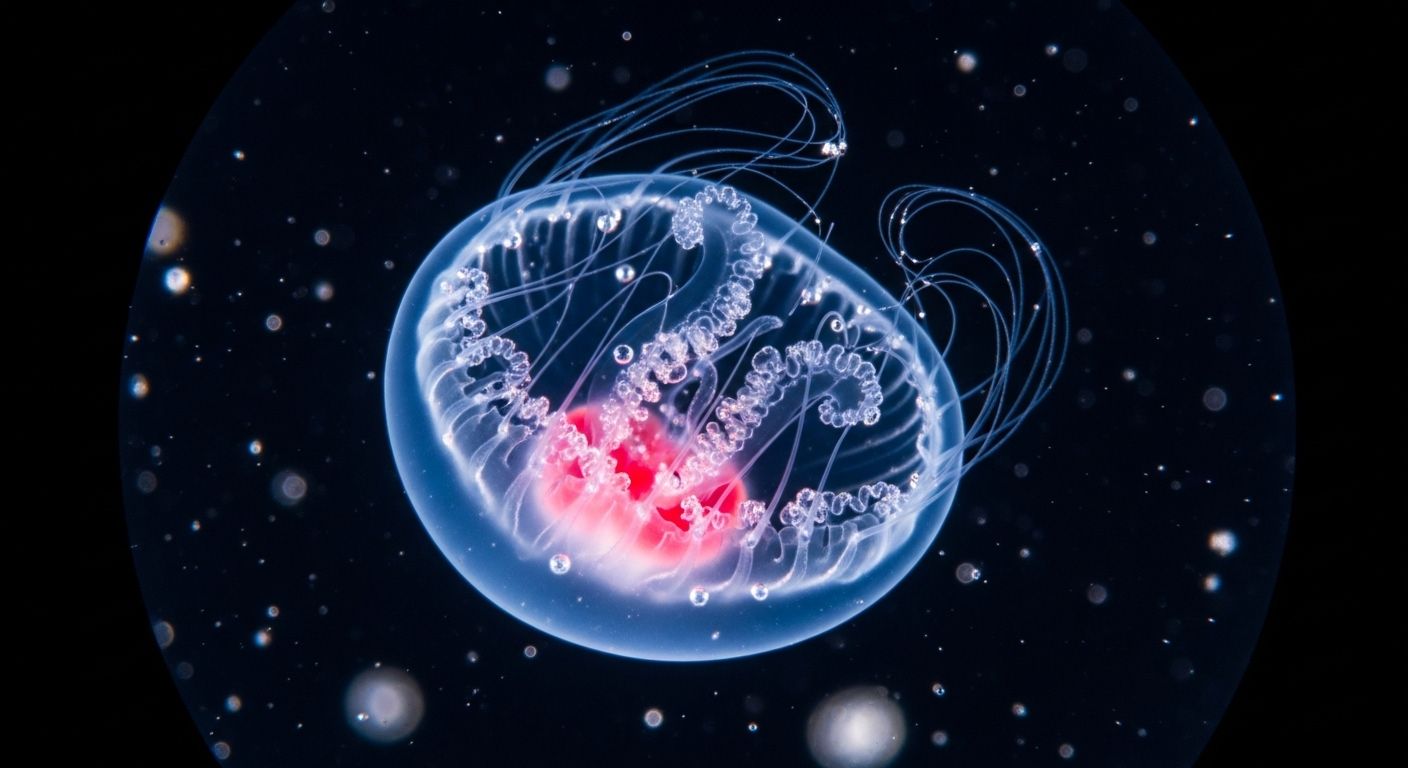
The concept of eternal life has moved from the realm of mythology into the laboratory. The Turritopsis dohrnii, commonly known as the "immortal jellyfish," has mastered a cellular process called transdifferentiation. When this jellyfish faces physical damage, starvation, or environmental stress, it doesn't die. Instead, it reverts its cells back to their earliest state.
- Cellular Reset: The jellyfish transforms from a mature medusa back into a colonial polyp.
- Infinite Cycle: Theoretically, this process can go on indefinitely, allowing the individual to bypass death from old age.
- Scientific Impact: Researchers are studying these cells to understand how we might one day trigger similar regenerative properties in human tissue.
2. The Geometrical Mystery of Wombat Excrement
It sounds like a prank, but the Australian Wombat is the only known animal in the world that produces cube-shaped poop. While most animals produce cylindrical or spherical waste, the wombat's digestive system is a marvel of biological engineering. This isn't just a quirk; it's a vital survival tool for marking territory in the rugged Australian bush.
The secret lies in the wombat's intestines. Research published in the journal Soft Matter revealed that the last section of the wombat's gut has varying levels of elasticity. Two zones are stiff, and two are flexible. As the waste is dehydrated and compressed, these varying tensions mold the stool into a distinct six-sided cube. This shape prevents the droppings from rolling off rocks or logs, ensuring the wombat's scent remains exactly where it was intended to be.
3. The Mantis Shrimp: A Living Superweapon
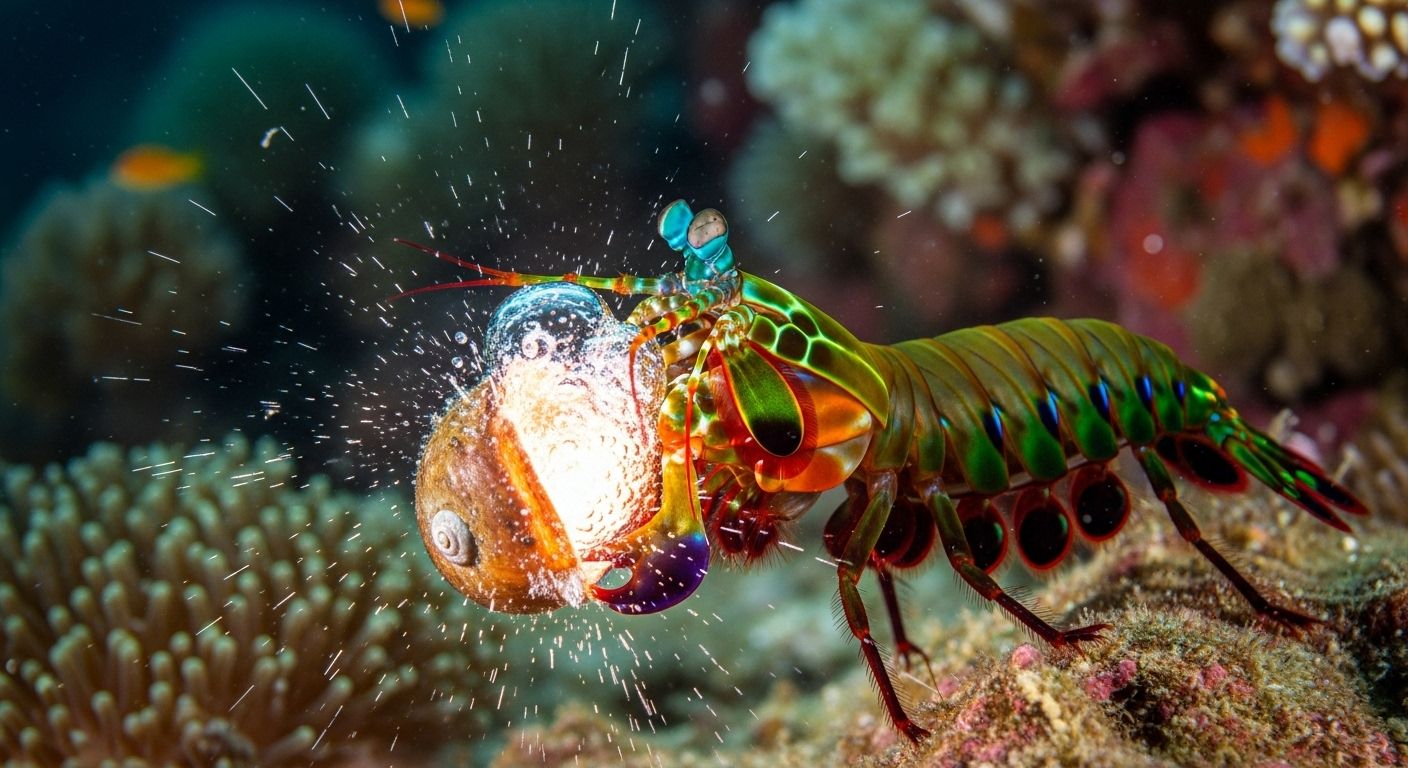
The Peacock Mantis Shrimp is a crustacean that possesses abilities that border on the supernatural. Don't let its vibrant, rainbow-colored exterior fool you; this animal is one of the most efficient predators in the ocean. Its primary weapon is its dactyl clubs, which it uses to smash prey with the force of a .22 caliber bullet.
- Extreme Speed: The strike occurs in less than 800 microseconds, accelerating faster than a bullet leaves a gun barrel.
- Cavitation Bubbles: The strike is so fast it creates cavitation bubbles in the water. When these bubbles collapse, they produce a second shockwave and even generate heat and light (sonoluminescence).
- Super Vision: While humans have three types of color-receptive cells, the mantis shrimp has 16. They can see polarized light and even multispectral colors that are invisible to any other creature.
4. Axolotls: The Masters of Regeneration
The Axolotl, a Mexican salamander, is essentially the "Wolverine" of the animal world. Unlike most animals that form scar tissue when injured, the axolotl can perfectly regenerate entire limbs, spinal cords, hearts, and even parts of its brain. This ability is so profound that the regenerated limb is indistinguishable from the original, with no loss of function or structural integrity.
Scientists are particularly fascinated by the blastema—a mass of undifferentiated cells that forms at the site of an injury. These cells essentially "remember" what they used to be and regrow into the exact bone, muscle, and nerve tissue required. Because axolotls are neotenic, meaning they retain their larval features (like external gills) throughout their entire lives, their bodies remain in a permanent state of youthful regeneration.
5. The Wood Frog: A Living Popsicle
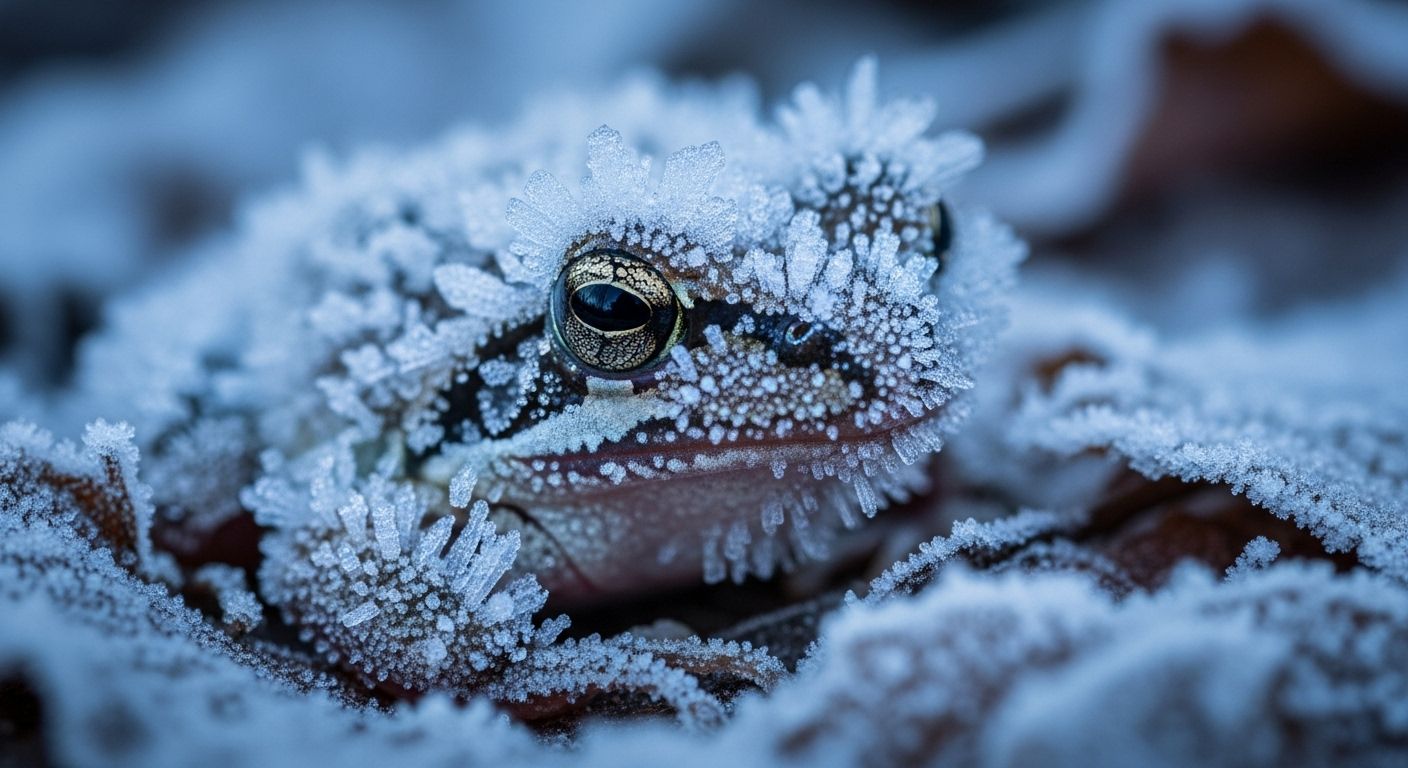
In the frozen forests of Alaska, the Wood Frog has developed a survival strategy that should be biologically impossible. During the winter, these frogs literally freeze solid. Their heart stops beating, their blood stops flowing, and they cease breathing for months at a time. To any observer, the frog is clinically dead.
However, the wood frog uses a natural "antifreeze" to protect its cells. As the temperature drops, the frog's liver floods its body with massive amounts of glucose and urea. This high concentration of sugar acts as a cryoprotectant, lowering the freezing point of the liquid inside the cells while allowing the water outside the cells to freeze. When spring arrives, the frog thaws from the inside out, its heart restarts, and it hops away as if nothing happened.
6. The Lyrebird: Nature's Greatest Mimic
The Superb Lyrebird of Australia possesses the most complex vocal organ of any bird—the syrinx. While many birds can sing, the lyrebird can replicate almost any sound it hears in its environment with terrifying accuracy. This isn't just limited to other bird calls; lyrebirds have been recorded perfectly mimicking:
- Chainsaws and Axes: Replicating the sounds of the very logging equipment that threatens their habitat.
- Camera Shutters: Mimicking the mechanical click and whir of professional photography gear.
- Car Alarms: Producing the piercing, rhythmic wail of modern security systems.
- Human Speech: While less common than parrots, they can mimic the cadence and tone of human voices.
This ability is used by males during mating displays to prove their intelligence and the breadth of their territory. The more complex their "playlist," the more likely they are to attract a mate.
7. Greenland Sharks: Living Through the Centuries
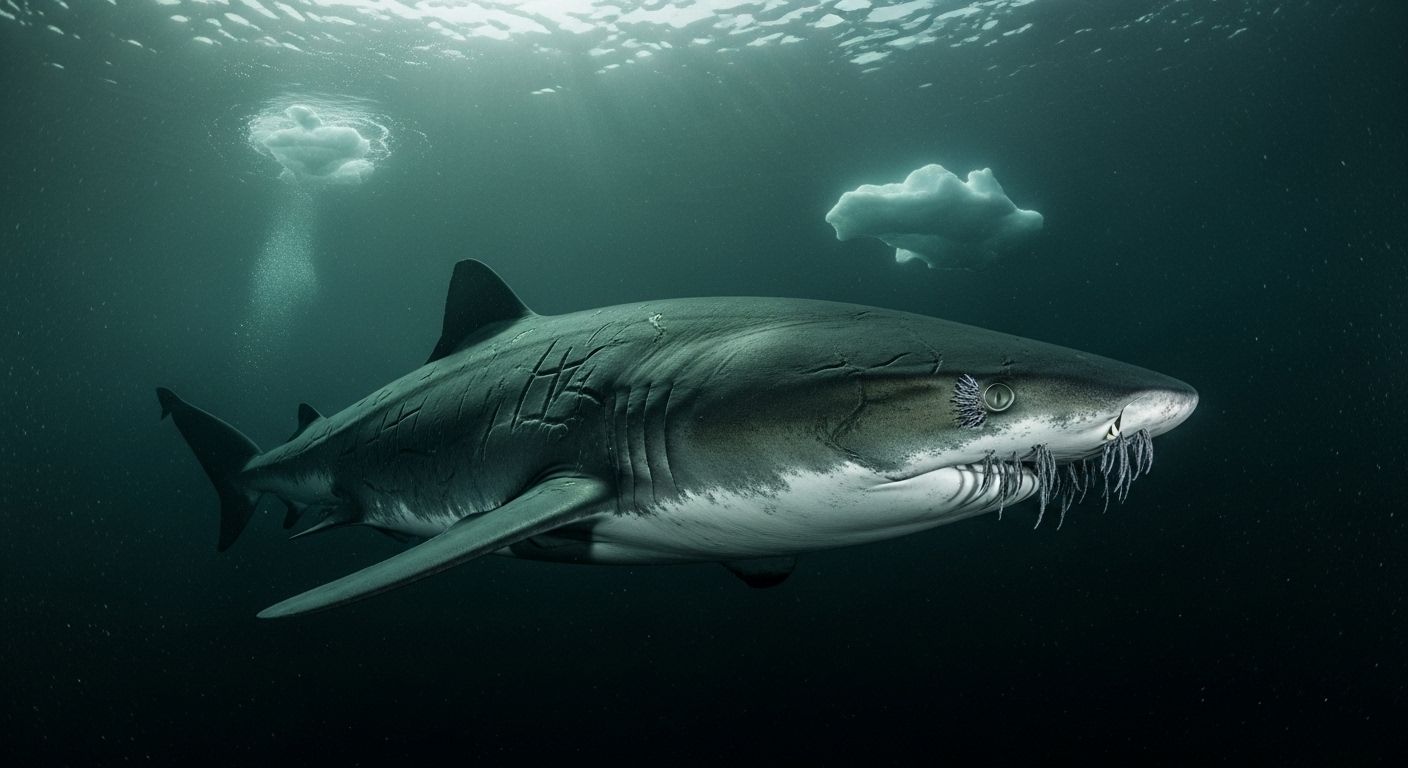
If you want to talk about longevity, the Greenland Shark is the undisputed king. These massive predators, which live in the frigid depths of the North Atlantic, can live for 400 to 500 years. To put that in perspective, there are Greenland sharks swimming today that were alive when the Mayflower landed in America.
Their secret is an incredibly slow metabolism and the cold environment they inhabit. They grow at a rate of only about one centimeter per year and don't even reach sexual maturity until they are roughly 150 years old. Scientists determine their age using radiocarbon dating of the proteins in the center of their eye lenses, which are formed at birth and remain unchanged throughout their long lives.
8. The Octopus: A Decentralized Intelligence
The Octopus is perhaps the closest thing we have to an alien intelligence on Earth. Unlike humans, whose neurons are concentrated in a central brain, two-thirds of an octopus's neurons are located in its arms. This means that each arm can essentially "think" and act independently of the main brain.
An octopus arm can explore a crevice, taste for food, and even change its camouflage pattern without direct input from the head. Furthermore, octopuses have three hearts and blue blood (due to copper-based hemocyanin). Their ability to solve puzzles, use tools, and recognize individual human faces makes them one of the most cognitively advanced invertebrates in existence.
9. The Platypus: The Ultimate Evolutionary Mashup
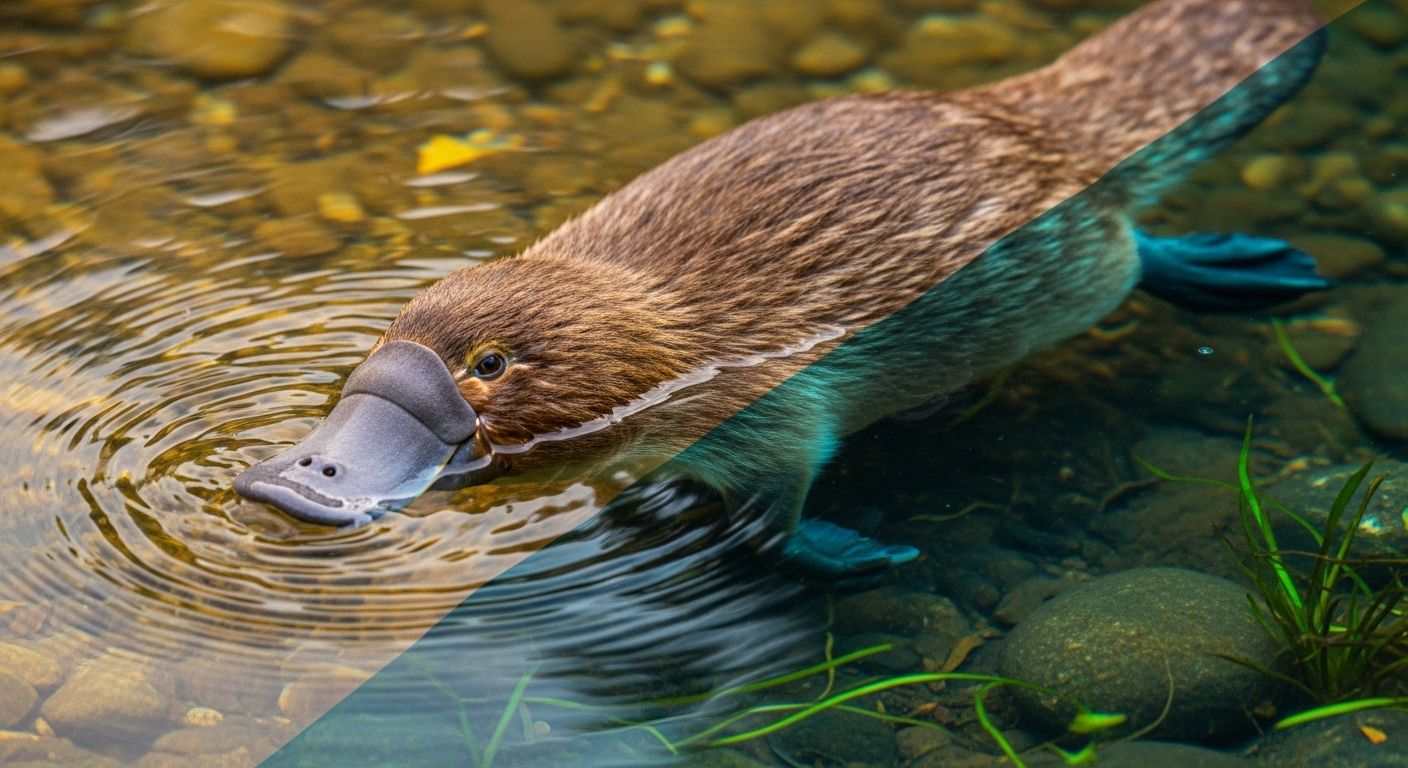
When the first Platypus specimen was sent to European scientists in the 18th century, they believed it was a hoax made of different animals sewn together. Even today, the platypus remains one of the strangest creatures in existence. It is a monotreme, a mammal that lays eggs instead of giving birth to live young.
- Electrolocation: The platypus hunts with its eyes, ears, and nostrils closed. It detects the electrical signals generated by the muscular contractions of its prey using sensors in its bill.
- Venomous Spurs: Male platypuses have a venomous spur on their hind legs, capable of causing excruciating pain to humans and killing smaller animals.
- Glow-in-the-Dark: Under UV light, the platypus's fur biofluoresces a vivid blue-green color.
Conclusion: Embracing the Wonder of Biology
The animal kingdom is a testament to the power of evolution and adaptation. From the depths of the Arctic to the forests of Australia, life finds a way to thrive in manners that challenge our understanding of reality. These facts serve as a reminder that we are part of a vast, complex, and deeply mysterious ecosystem that still has much to teach us.
Stay Curious About the Natural World
If you enjoyed these mind-blowing facts, subscribe to our newsletter for weekly deep dives into science, nature, and the mysteries of our planet. Let's keep exploring together!