The Ultimate Beginner’s Guide to Keeping Regal Jumping Spiders
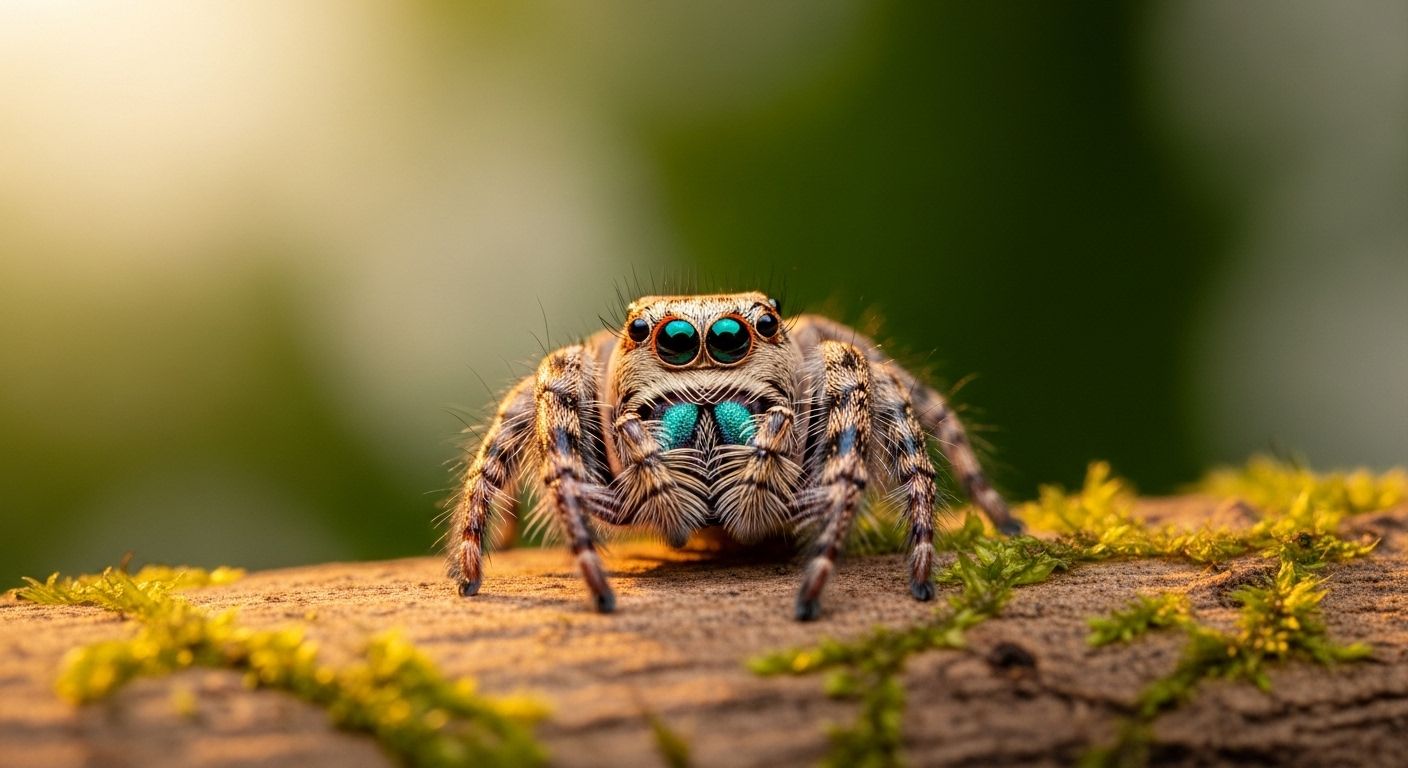
Regal Jumping Spiders, scientifically known as Phidippus regius, have taken the exotic pet world by storm. Unlike many of their arachnid cousins, these spiders are often described as the 'kittens of the spider world' due to their large, expressive eyes, curious behavior, and surprising level of intelligence. If you are looking for a low-maintenance yet highly engaging pet, the Regal Jumping Spider is an exceptional choice. This guide will walk you through everything you need to know to provide a thriving environment for your new eight-legged companion.
Understanding the Phidippus regius
Native to the southeastern United States, primarily Florida, and parts of the Greater Antilles, the Regal Jumping Spider is the largest species of jumping spider in North America. They are sexually dimorphic, meaning males and females look significantly different. Males are typically black with white spots and iridescent green chelicerae (mouthparts), while females can range from grey and tan to vibrant shades of orange and pink.
- Lifespan: Typically 1 to 2 years, with females often living longer than males.
- Size: Adults range from 12mm to 22mm in length.
- Intelligence: They possess complex vision and have been observed demonstrating problem-solving skills and distinct personalities.
Setting Up the Perfect Enclosure
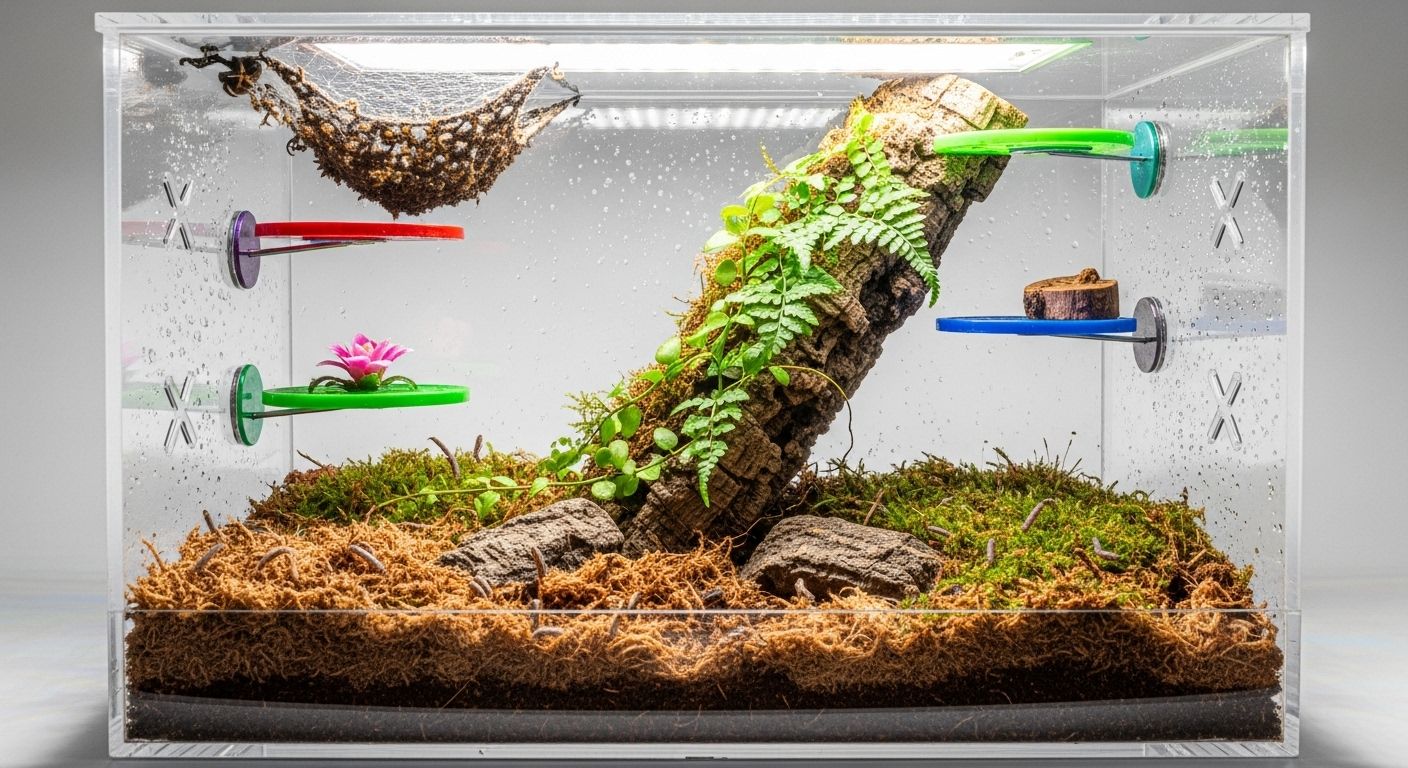
Because Regal Jumping Spiders are arboreal (tree-dwelling), their enclosure must prioritize vertical space. A standard 6x6x9 inch or 8x8x12 inch acrylic terrarium is ideal for an adult. Here are the critical components of a successful setup:
1. Ventilation is Non-Negotiable
Stagnant air is a silent killer for jumping spiders. Ensure your enclosure has cross-ventilation—holes on opposite sides of the tank that allow air to flow through. Avoid mesh tops if possible, as their tiny claws can get stuck, leading to leg injuries.
2. Substrate and Humidity
While jumping spiders don't require high humidity like some tropical tarantulas, they do need a consistent moisture source. A substrate of coconut fiber or sphagnum moss helps retain humidity. You should lightly mist one side of the enclosure daily with distilled water. This allows the spider to drink from the droplets without the risk of drowning in a water bowl.
3. Enrichment and Climbing Decor
These spiders are active hunters and explorers. Provide plenty of climbing opportunities such as cork bark, twigs, and silk or plastic plants. They love to build their silk retreats (sleeping hammocks) in the highest corners of the enclosure, so ensure there is plenty of cover near the top.
Nutrition: What to Feed Your Spider
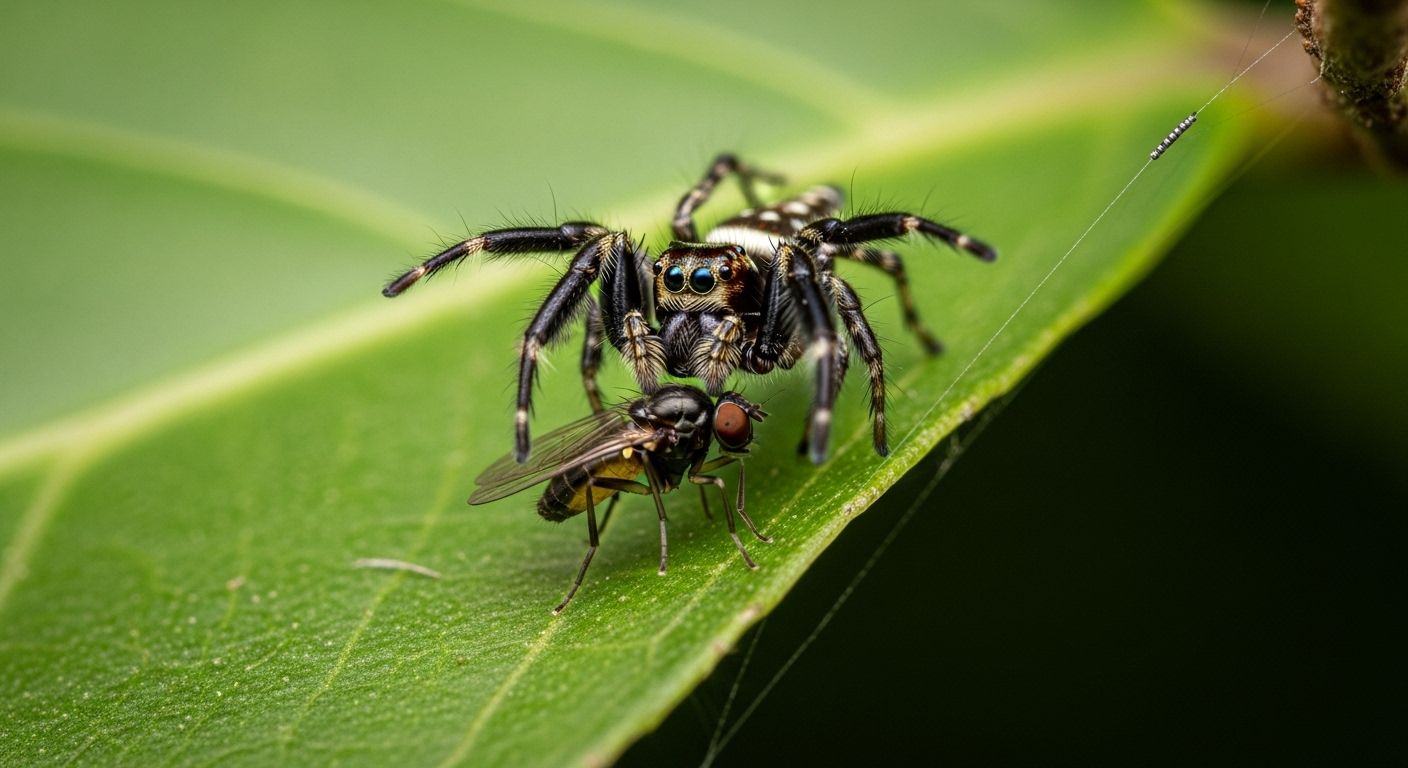
Regal Jumping Spiders are insectivores. Their diet should consist of live prey that is roughly the size of their cephalothorax (head). Feeding frequency depends on the spider's age and the size of its abdomen.
Recommended Prey Items:
- Fruit Flies (Drosophila hydei): Best for slings (spiderlings) and juveniles.
- Small Crickets: Ensure they are captive-bred to avoid parasites.
- Mealworms and Waxworms: High in fat; great for occasional treats or bulking up a thin spider.
- Blue Bottle Flies: Often considered the 'gold standard' for adult jumpers as they stimulate the spider's natural hunting instincts.
Pro Tip: Never leave uneaten crickets in the enclosure overnight. Crickets can actually bite and injure or even kill a molting spider. If your spider hasn't eaten within an hour, remove the prey and try again the next day.
The Molting Process: Growth and Care
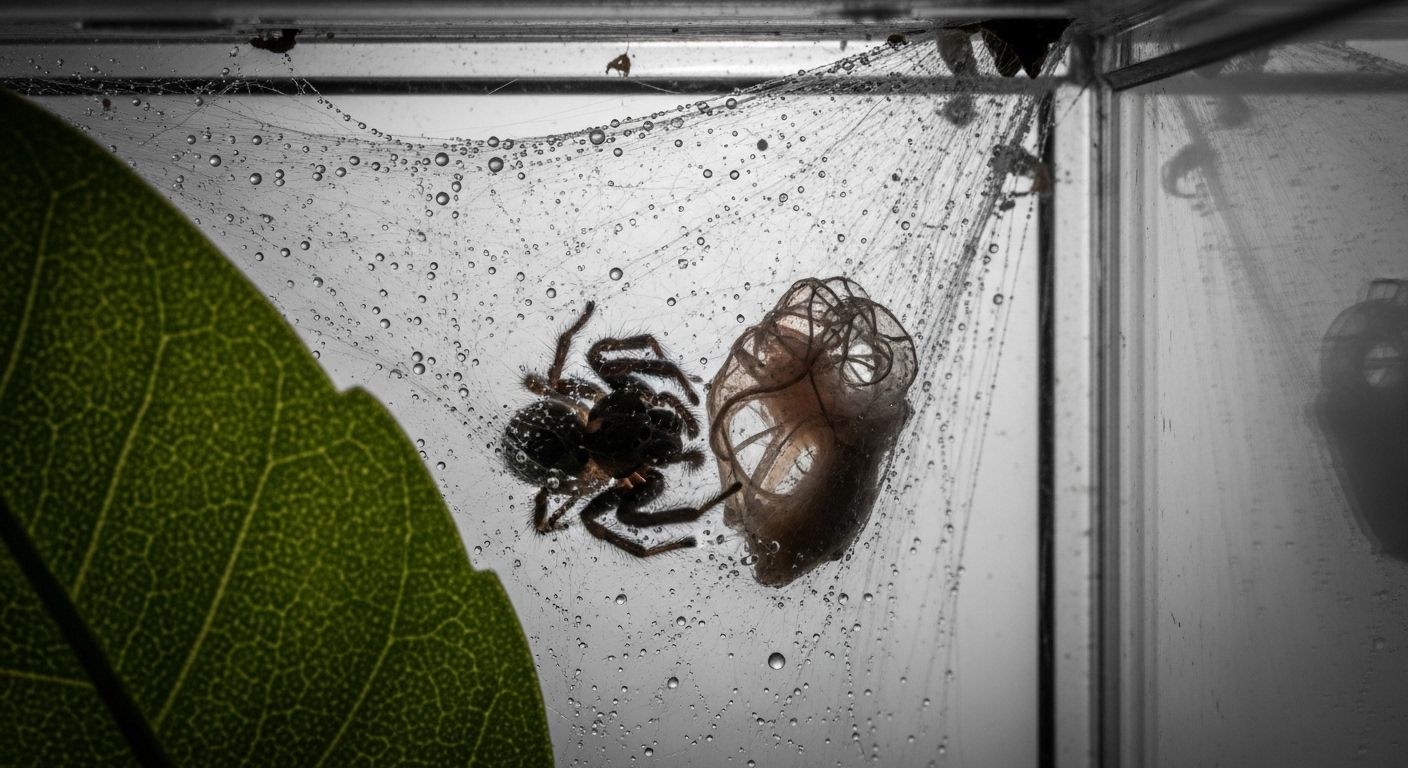
As your spider grows, it will periodically shed its exoskeleton in a process called molting. This is the most vulnerable time in a spider's life. You will notice your spider spending more time in its silk hammock, often sealing itself in for days or even weeks. This is known as 'pre-molt.'
During this time, do not disturb the spider. Do not attempt to pull it out of the hammock or offer food. Increase the humidity slightly by misting the enclosure more frequently (away from the hammock) to help the spider slide out of its old skin easily. Once the molt is complete, the spider's new exoskeleton will be soft; wait at least 3-5 days before offering food to allow its fangs to harden.
Handling and Bonding
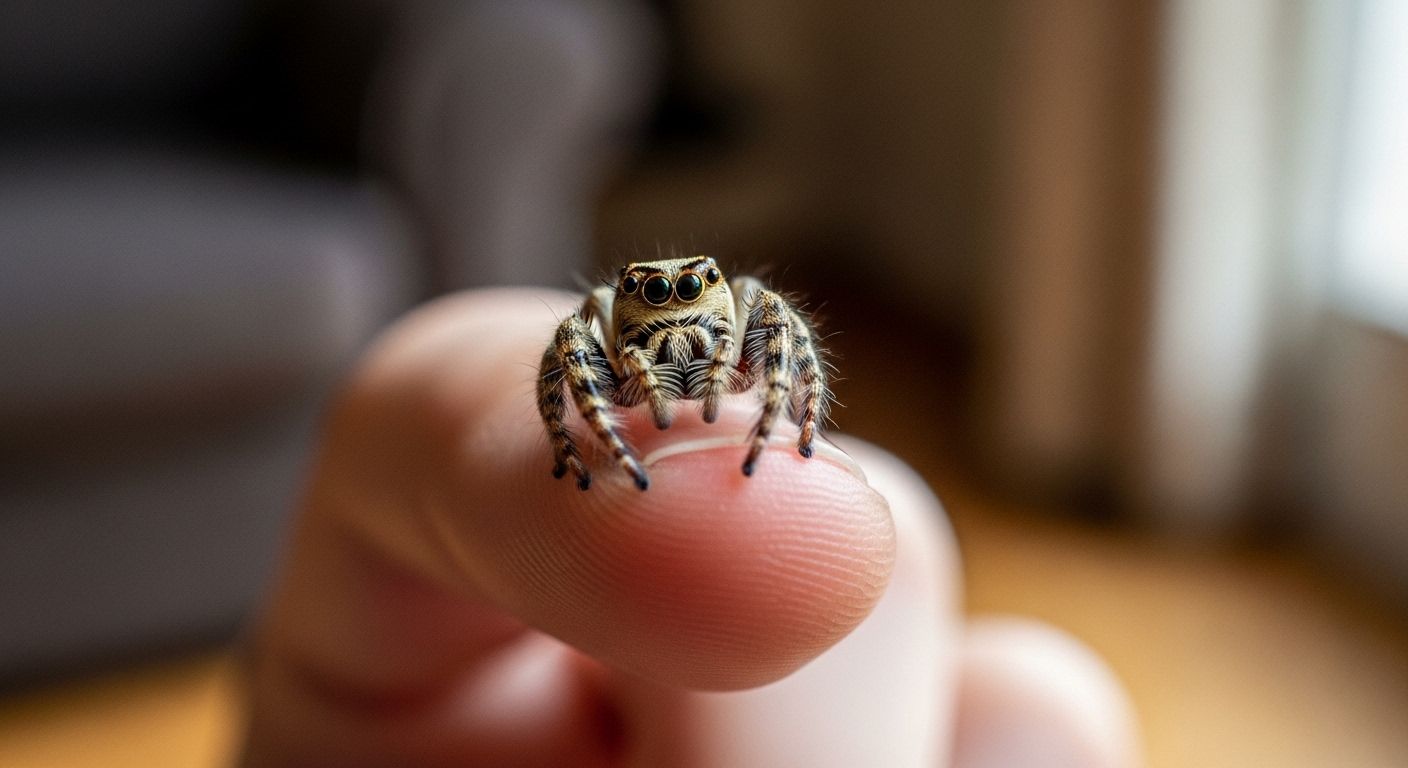
One of the reasons Regal Jumping Spiders are so popular is their handleability. While they are venomous, their venom is not medically significant to humans (similar to a bee sting), and they are extremely reluctant to bite. They are much more likely to jump away than to act defensively.
To build trust, start by placing your hand in the enclosure and letting the spider explore you on its own terms. Use a soft paintbrush to gently nudge them if needed. Over time, many jumpers will recognize their owners and willingly hop onto a finger to explore. Remember, these are fragile creatures; always handle them over a soft surface to prevent injury from accidental falls.
Common Health Issues and Prevention
Maintaining high E-E-A-T standards means addressing the risks of pet ownership. The most common issues for Regal Jumping Spiders include:
- Dehydration: If the abdomen looks shriveled, the spider needs water immediately. Mist the walls of the enclosure.
- Mites: Often introduced via wild-caught prey. Always use captive-bred insects.
- Mismatch in Prey Size: Feeding prey that is too large can stress or injure the spider.
- Falls: Ensure the enclosure isn't too tall without enough 'catch' points like leaves to break a fall.
Conclusion: Is a Regal Jumping Spider Right for You?
The Regal Jumping Spider is a gateway into the world of arachnids, offering a unique blend of accessibility, beauty, and personality. By following this guide—focusing on proper ventilation, vertical space, and patient handling—you will provide your spider with a long and healthy life. These tiny explorers offer a window into a complex world of behavior that few people ever get to see.