
Top 5 AI Devices That Actually Improve Pet Health
The fusion of Artificial Intelligence (AI) and pet care is no longer a futuristic concept—it is a present-day reality that is fundamentally changing how we approach veterinary wellness and preventive care. For the modern pet owner, the challenge is no longer finding technology, but identifying which tools provide genuine clinical value versus those that are merely high-tech novelties.
As pet parents, we are often at a disadvantage. Our companions cannot communicate their discomfort, and their natural instincts often lead them to mask symptoms of illness until a condition has progressed. This is where AI-driven pet health technology steps in. By utilizing machine learning algorithms, biometric sensors, and predictive analytics, these devices act as a 24/7 health monitor, identifying subtle shifts in behavior that the human eye might miss. In this comprehensive guide, we analyze the top five AI devices that are scientifically designed to enhance the longevity and quality of life for your pets.
1. AI-Powered Smart Collars: The Biometric Revolution
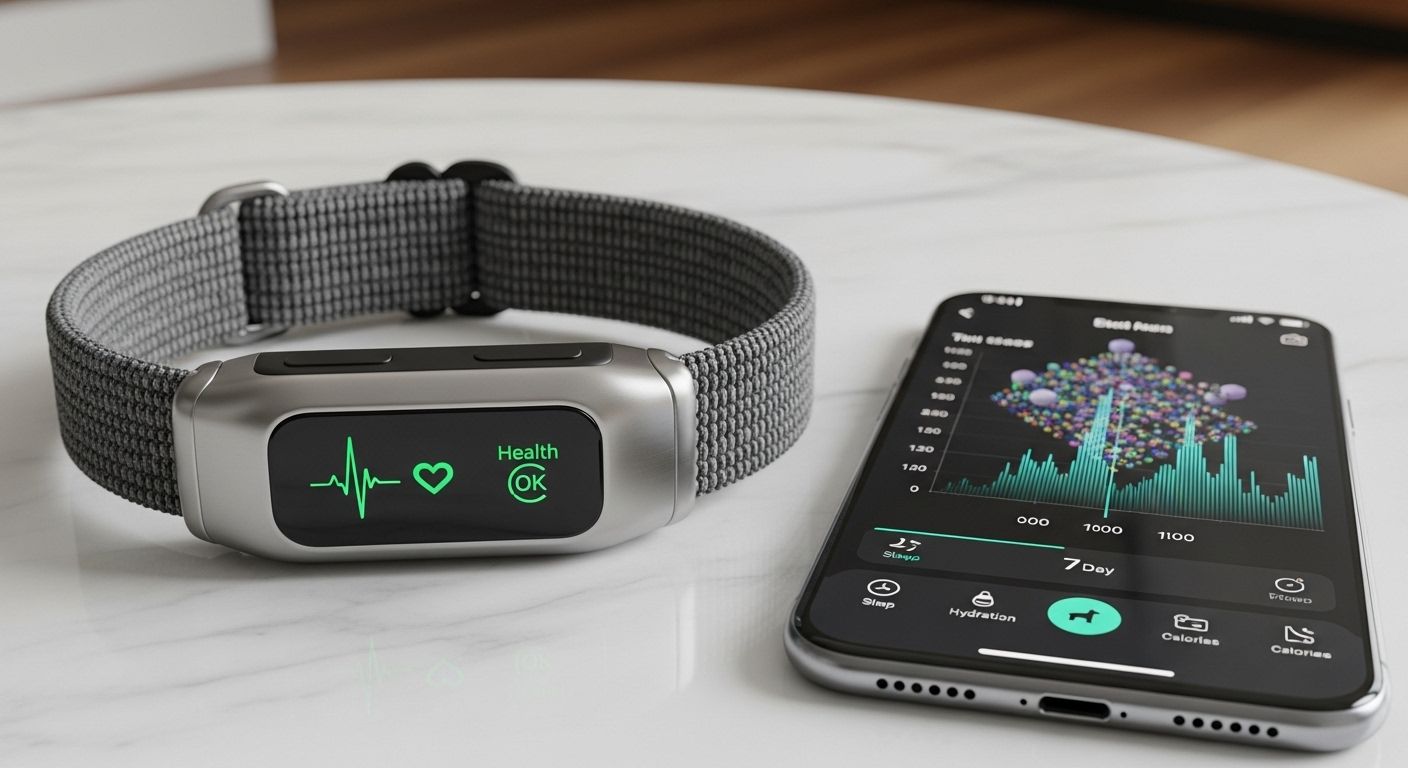
The evolution of the pet collar has moved far beyond a simple identification tag. Modern AI-powered collars, such as those developed by Whistle and FitBark, function as sophisticated health trackers comparable to the most advanced human wearables. These devices utilize three-axis accelerometers and proprietary AI algorithms to categorize every movement your pet makes.
Key Health Metrics Tracked:
- Scratching and Licking: AI identifies frequency spikes that may indicate allergies or skin infections.
- Sleep Quality: Monitors disruptions that could signal chronic pain or anxiety.
- Resting Heart Rate: Tracks cardiovascular health over time.
- Activity Levels: Ensures your pet meets breed-specific caloric expenditure goals.
By establishing a behavioral baseline, these collars can alert owners to deviations that often precede clinical symptoms. For instance, an increase in nighttime restlessness combined with increased drinking frequency can be an early indicator of diabetes or kidney issues, allowing for early veterinary intervention.
2. AI-Driven Smart Feeders: Precision Nutrition Management
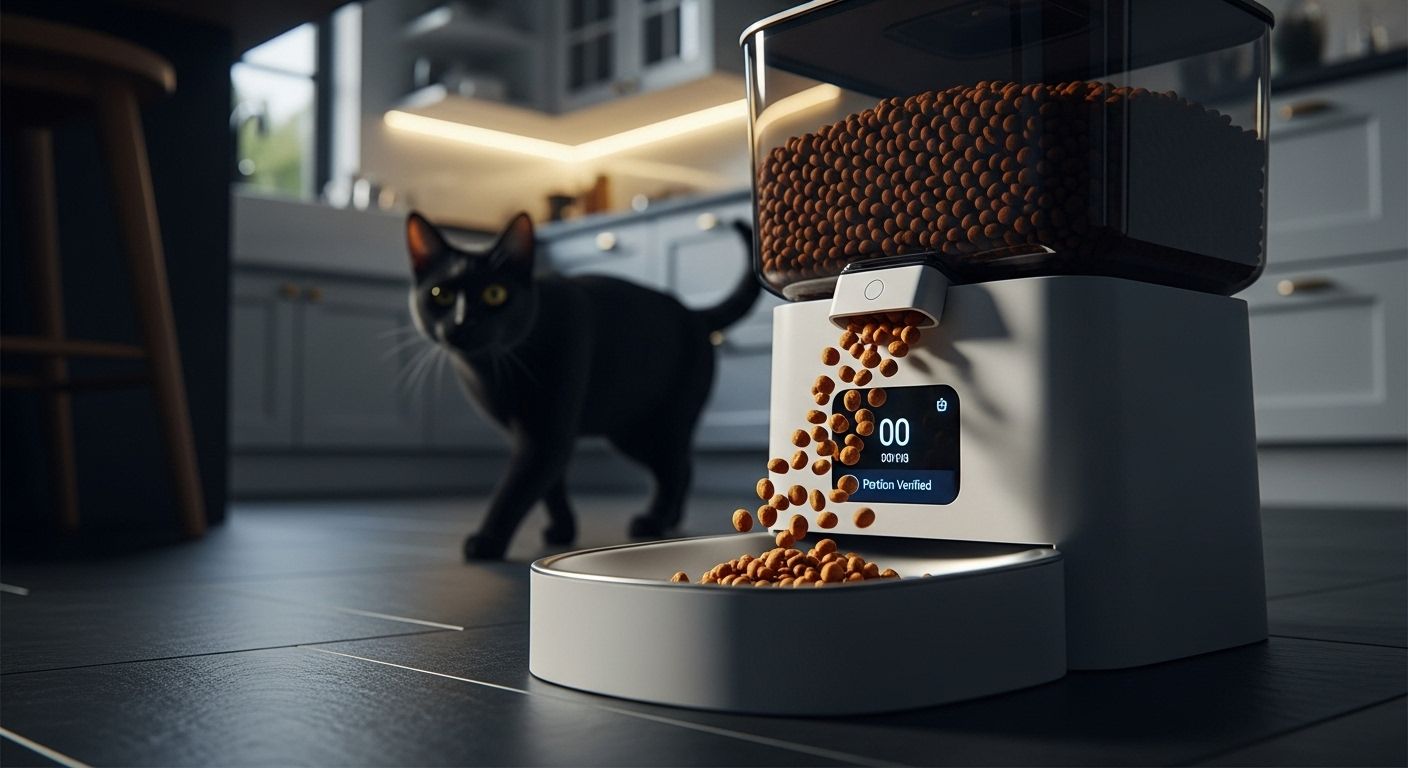
Obesity is the leading preventable health crisis in domestic pets, contributing to arthritis, heart disease, and a significantly shortened lifespan. AI-driven smart feeders, like the Petlibro Granary or SurePet Microchip Feeder, leverage artificial intelligence to solve the complex problem of nutritional management in multi-pet households.
These devices use computer vision or RFID/Microchip recognition to ensure the right pet gets the right food. This is critical for pets on prescription diets. Furthermore, the AI components analyze eating speeds and patterns. A sudden loss of appetite or a change in the speed of consumption can be the first sign of dental pain or gastrointestinal distress.
Why Precision Feeding Matters:
- Weight Control: AI calculates the exact gram-weight of kibble required based on the pet's current activity data from their smart collar.
- Binge Prevention: Distributes food in smaller, timed intervals to prevent 'scarf and barf' syndrome.
- Prescription Integrity: Prevents healthy pets from consuming medicated food intended for a sibling with a specific health condition.
3. Smart Litter Boxes with AI Health Diagnostics
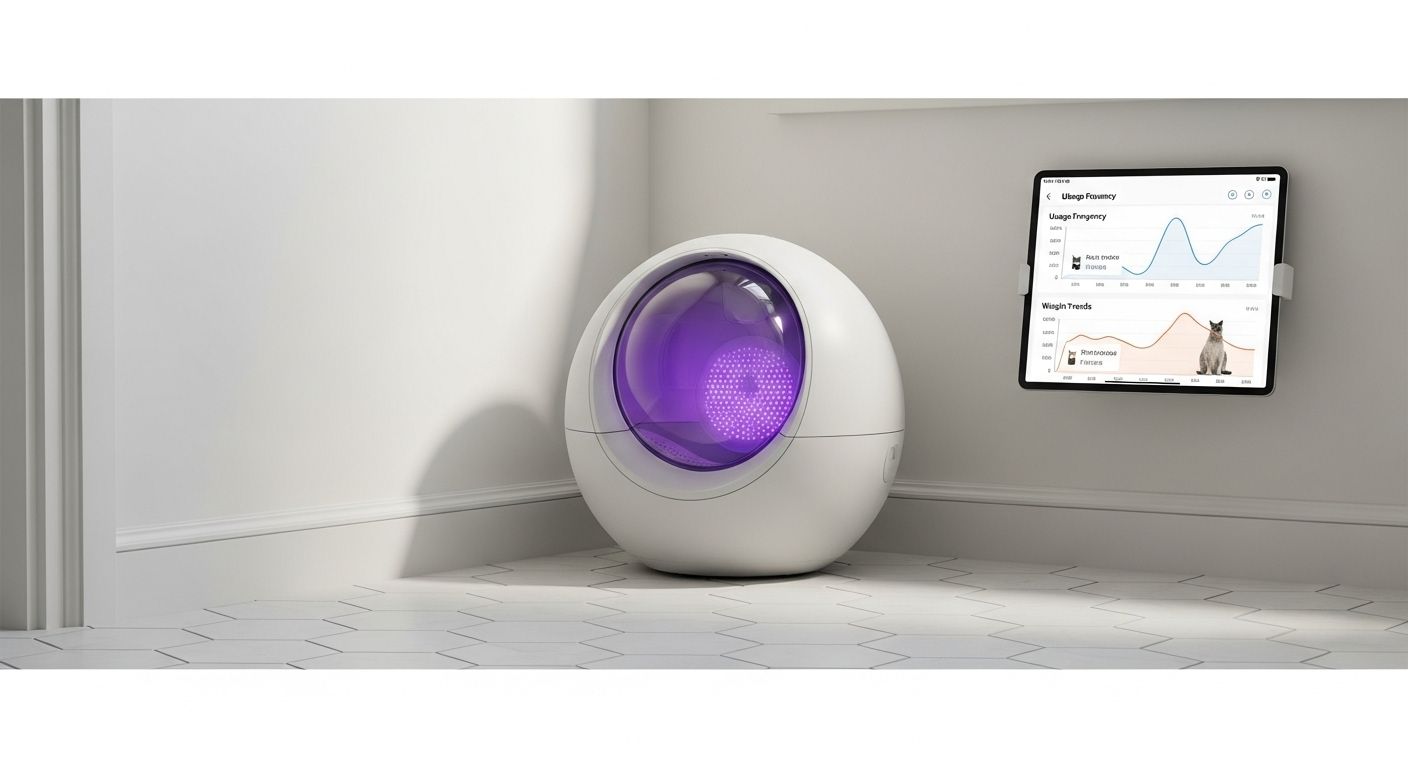
For feline owners, the litter box is a window into the cat's internal health. Feline Lower Urinary Tract Disease (FLUTD) and kidney failure are major health risks that often go unnoticed. AI-integrated litter boxes like the Litter-Robot 4 or Petkit Pura Max have revolutionized this space by turning a chore into a diagnostic tool.
These units utilize weight sensors and AI behavior tracking to monitor how often a cat visits the box, how long they stay, and their exact weight during each visit. A sudden increase in frequency—even if the cat isn't successfully urinating—is a red flag for a urinary blockage, which is a life-threatening emergency in male cats.
- Weight Monitoring: Detects gradual weight loss, often the first sign of hyperthyroidism or kidney disease.
- Usage Frequency: Alerts owners to potential UTIs or cystitis.
- Waste Consistency: Advanced models are beginning to use AI cameras to analyze stool for signs of digestive issues.
- Multi-Cat ID: Uses weight profiles to distinguish between different cats in the home.
4. AI Health Monitors and Behavioral Cameras
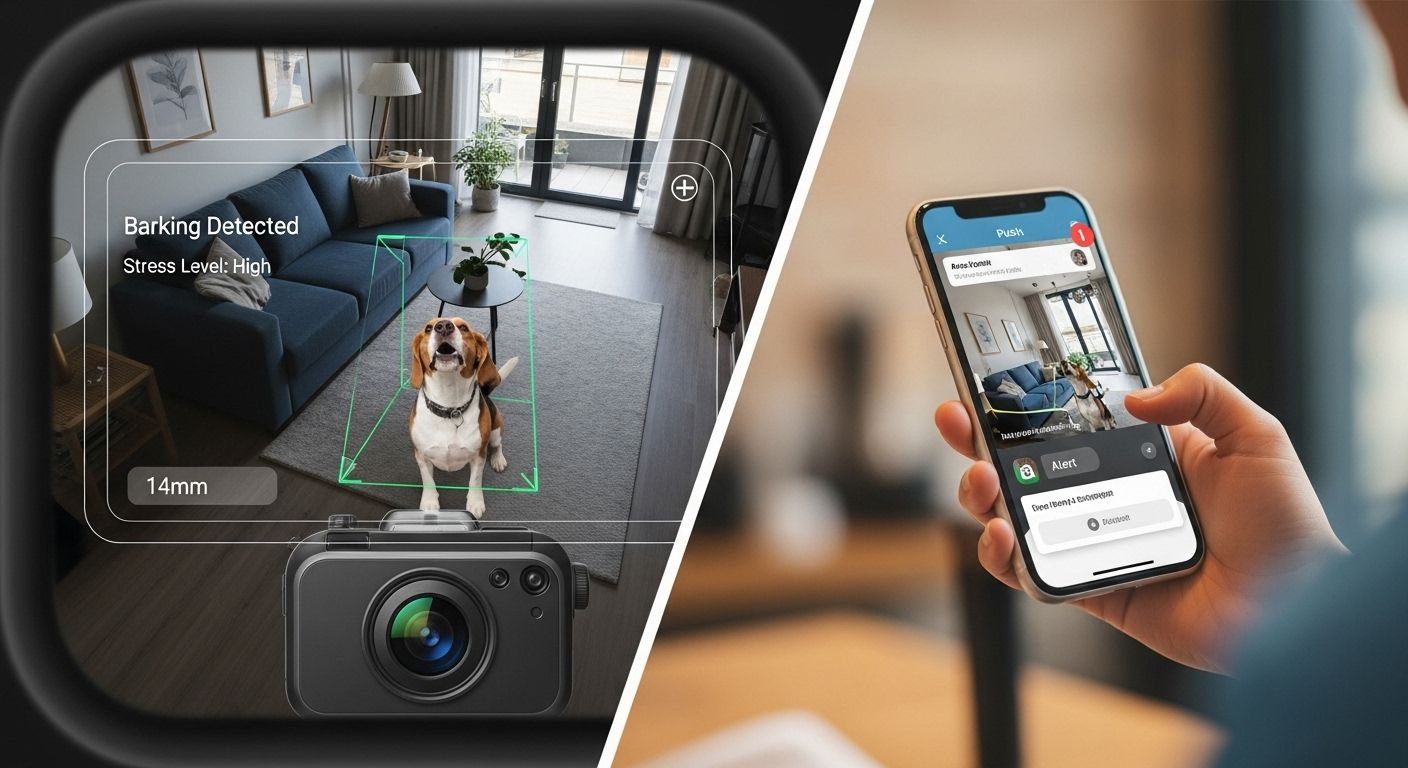
While traditional pet cameras allow you to see your pet, AI-enhanced cameras like the Furbo 360° Dog Camera and Petcube actually understand what they are seeing. These devices use deep learning to distinguish between different types of barks, movements, and sounds.
The health implications are profound. AI can detect a 'coughing fit' or 'retching' and send an immediate alert to the owner's phone. It can also identify signs of separation anxiety, such as destructive behavior or pacing, which are critical for a pet's mental well-being. By providing a record of these behaviors, owners can provide veterinarians with objective evidence of symptoms that rarely occur in the clinic setting.
Advanced AI Alerts:
- Emergency Detection: AI identifies the sound of a smoke alarm or carbon monoxide detector and alerts the owner.
- Activity Reports: Summarizes the pet's day, highlighting when they were most active or stressed.
- Human Detection: Notifies you if a dog walker or intruder has entered the home.
5. AI-Integrated Water Fountains: Hydration Analytics
Hydration is a cornerstone of pet health, yet it is one of the most difficult metrics to track manually. AI water fountains, such as the Petkit Eversweet series, use flow sensors and AI to track exactly how much water your pet is consuming daily.
A sudden change in water intake is a primary clinical sign for several serious conditions, including renal failure, Cushing’s disease, and hyperthyroidism. These fountains provide a daily log of consumption, allowing owners to spot trends before they become crises. Additionally, the AI manages the filtration system, monitoring water quality and filter life to ensure the water is always free of contaminants and heavy metals.
The Hydration-Health Link:
Consistent hydration supports kidney function, temperature regulation, and joint lubrication. AI fountains remove the guesswork, providing a quantitative measurement of health that was previously impossible for the average pet owner to obtain.
The Role of AI in Preventive Veterinary Medicine
The true value of these AI devices lies not in the gadgets themselves, but in the longitudinal data they collect. When you take your pet to the vet, you are providing a 'snapshot' of their health. AI devices provide the 'movie.'
Veterinarians are increasingly using data from these devices to make more accurate diagnoses. Instead of guessing how much a pet has been coughing or how many times they've used the litter box, owners can present a comprehensive data report. This level of detail allows for Personalized Medicine, where treatments and diets are tailored to the specific biometric profile of the individual pet.
Earlier Diagnosis
Detecting chronic conditions months before they become symptomatic.
Better Compliance
Ensuring medication and diet plans are followed precisely through automated alerts.
Reduced Costs
Preventive care is significantly less expensive than emergency surgeries or long-term disease management.