The Silent Epidemic: Why Traditional Pet Food is Failing Our Companions
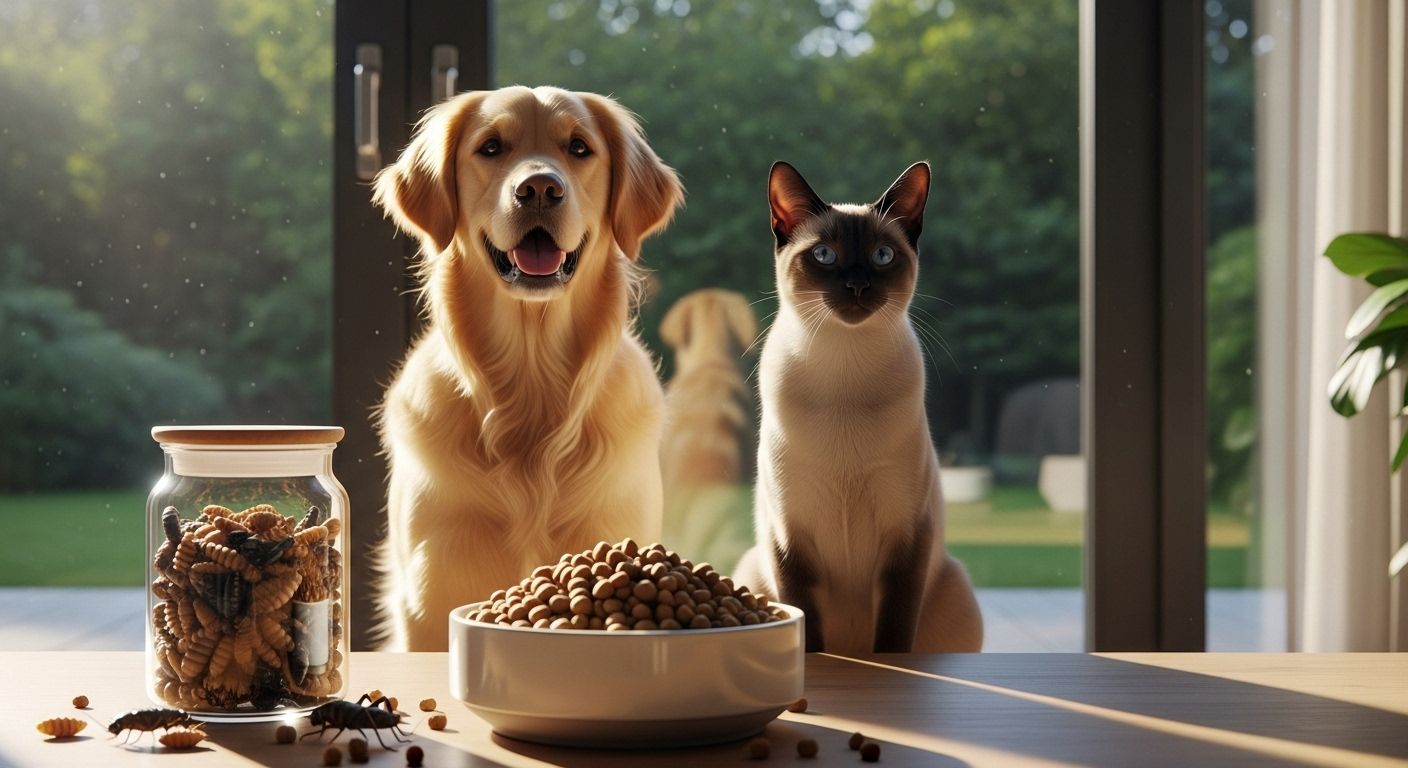
For decades, the foundation of the pet food industry has rested on a handful of protein sources: beef, chicken, and lamb. However, as our understanding of veterinary dermatology and gastroenterology evolves, a troubling trend has emerged. More pets than ever are suffering from chronic itching, digestive distress, and systemic inflammation. The culprit? Often, it is the very food intended to nourish them. As we look toward the future, insect-based pet food is emerging not just as a niche alternative, but as a scientifically superior, hypoallergenic powerhouse that addresses the biological needs of modern pets while respecting the limits of our planet.
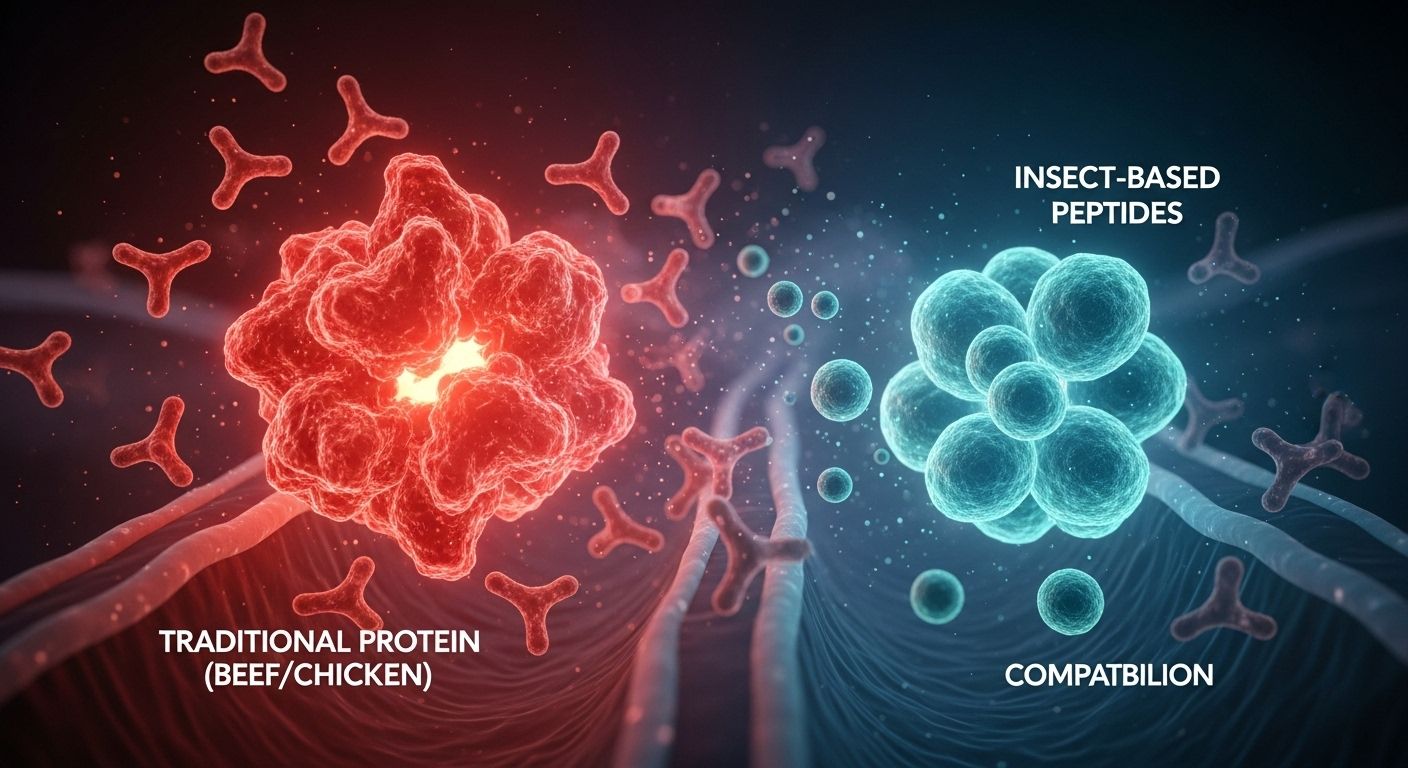
Food sensitivities in pets are primarily driven by an overexposure to common proteins. When a dog or cat consumes the same protein source for years, their immune system can begin to identify those specific protein molecules as invaders. This triggers an IgE-mediated immune response, leading to the symptoms every pet owner dreads: the constant licking of paws, the red and inflamed skin, and the recurring ear infections. This is where the concept of novel proteins becomes critical. By introducing a protein source that the pet’s immune system has never encountered such as Hermetia illucens (Black Soldier Fly Larvae) we can effectively 'reset' the immune response and provide immediate relief.
The Science of Hypoallergenic Proteins
To understand why insect protein is the gold standard for hypoallergenic diets, we must look at the molecular level. Traditional meat proteins are often large, complex molecules. When these proteins are processed at high heat, they can form even more complex structures that are difficult for a sensitive gut to break down. Insects, however, offer a unique amino acid profile and a molecular structure that is highly bioavailable.
- Low Immunogenicity: Because insects are taxonomically distant from mammals and birds, their proteins do not share the same epitopes (the part of a protein that the immune system recognizes) as beef or chicken. This makes them virtually 'invisible' to a pet's overactive immune system.
- High Digestibility: Studies have shown that insect meal has a protein digestibility score comparable to, and sometimes exceeding, high-quality fish or chicken meal. This means fewer undigested proteins reaching the large intestine where they could cause fermentation and gas.
- Peptide Simplicity: Many insect-based diets use hydrolyzed insect protein, where the protein is broken down into tiny peptides that are too small to trigger an allergic reaction.
Beyond Allergies: The Nutritional Powerhouse
Many pet owners are initially skeptical about the nutritional value of insects. They ask: 'Can a cricket really provide the same muscle-building power as a steak?' The answer is a resounding yes. In many ways, insects are nutritional superfoods. For instance, Black Soldier Fly Larvae are incredibly rich in Lauric Acid, a medium-chain fatty acid also found in coconut oil, which has potent antimicrobial and anti-inflammatory properties. This is particularly beneficial for pets with Inflammatory Bowel Disease (IBD) or skin infections.
Furthermore, insect proteins are complete proteins, meaning they contain all ten essential amino acids required by dogs and cats. They are particularly high in:
- Taurine: Essential for feline heart health and canine cardiac function.
- Glutamic Acid: Vital for gut health and supporting the intestinal barrier.
- Lipids: High in Omega-6 and Omega-9 fatty acids, which contribute to a glossy coat and healthy skin barrier.
In addition to the protein itself, insects provide chitin, a prebiotic fiber found in their exoskeletons. Chitin has been shown to support the growth of beneficial gut bacteria, such as Lactobacillus, which further strengthens the immune system and improves stool quality. This dual action of being hypoallergenic while also being a prebiotic makes insect-based food a holistic solution for digestive health.
The Environmental Imperative: A Greener Bowl
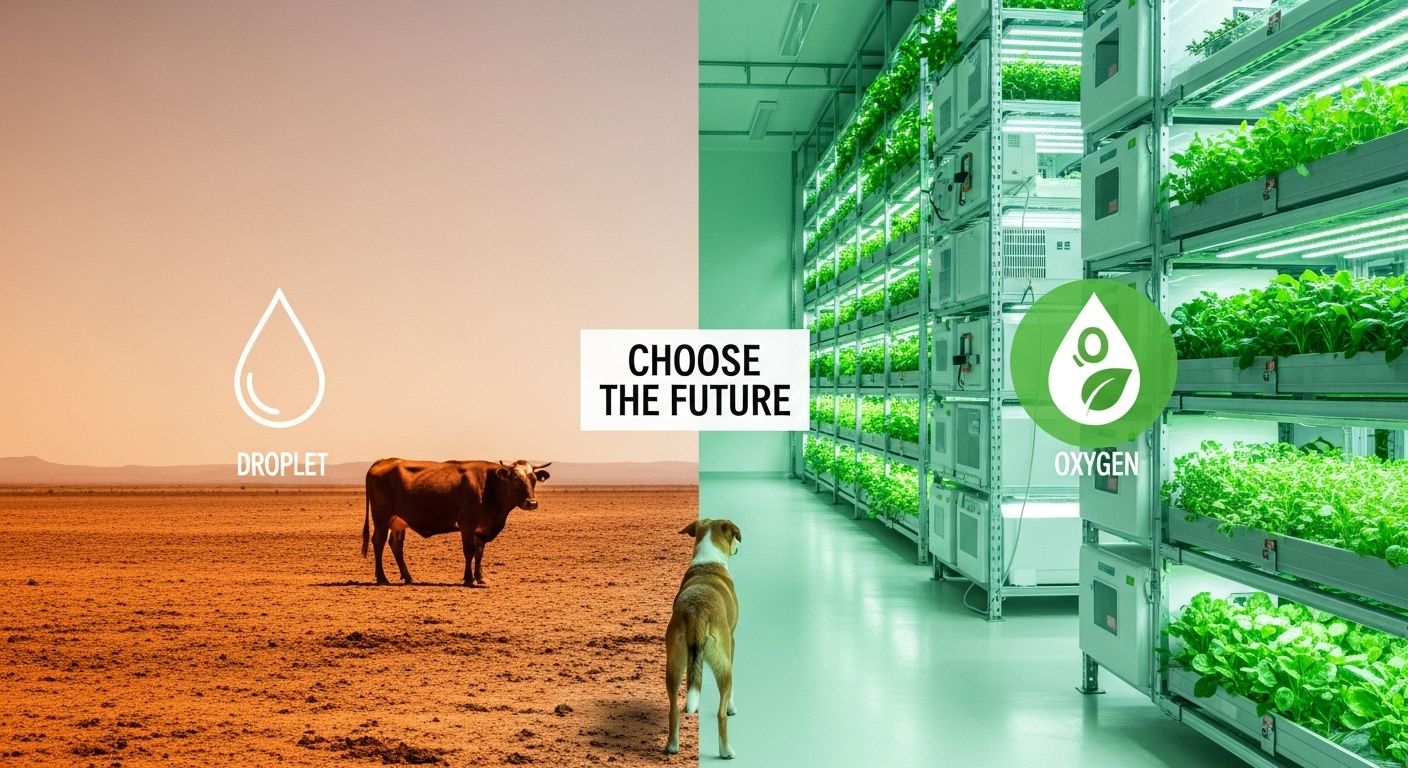
We cannot discuss the future of pet food without addressing sustainability. The pet food industry is responsible for a staggering amount of global meat consumption. If American pets were their own country, they would rank fifth in the world in meat consumption. This level of demand is unsustainable. Traditional livestock farming requires vast amounts of water, land, and energy, while producing significant greenhouse gas emissions.
Insect farming, by contrast, is a model of circular economy efficiency:
- Water Usage: Producing 1kg of insect protein requires a fraction of the water needed for 1kg of beef often less than 1%.
- Land Efficiency: Insects can be farmed vertically in controlled environments, requiring minimal land footprint compared to the vast pastures needed for cattle.
- Zero Waste: Insects can be fed on 'upcycled' organic waste food scraps that would otherwise end up in landfills turning waste into high-quality protein.
- Carbon Footprint: The greenhouse gas emissions from insect farming are negligible compared to methane-producing ruminants.
Safety, Palatability, and the 'Ick' Factor
One of the biggest hurdles for insect-based pet food isn't the pets it's the owners. Humans often have a visceral 'ick' response to insects, but it is important to remember that for dogs and cats, insects are a natural part of their ancestral diet. Wild canines and felines are opportunistic eaters, and insects provide a crunchy, protein-rich snack in the wild.
Regarding safety and standards, insect-based pet foods are held to the same rigorous AAFCO (Association of American Feed Control Officials) and FDA standards as any other pet food. The insects are raised in sterile, controlled environments, ensuring they are free from the antibiotics, hormones, and heavy metals often found in traditional livestock. Because the lifecycle of an insect is so short, there is no bioaccumulation of toxins.
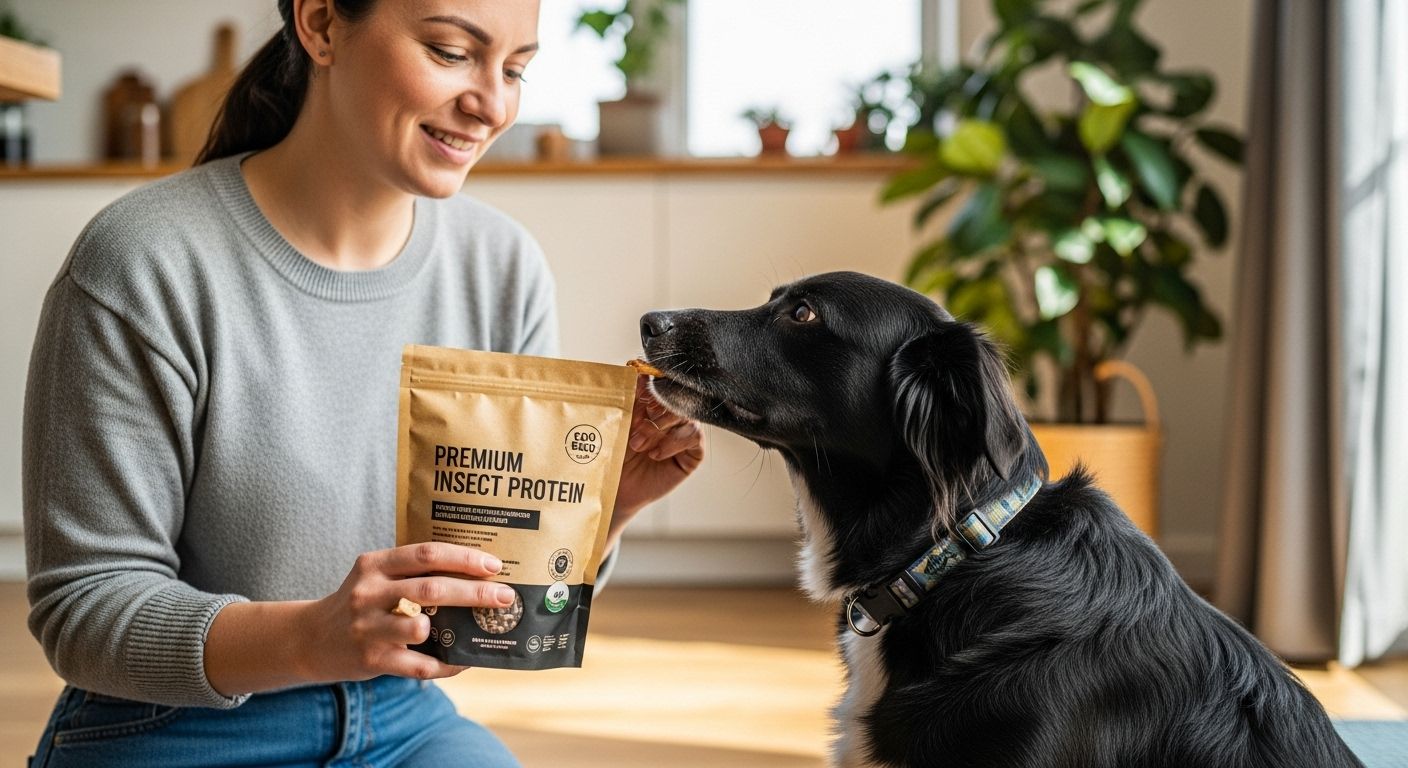
But do they like the taste? Palatability trials have shown that most dogs and cats find insect-based food highly palatable. The drying and milling process creates a nutty, savory aroma that is very appealing to pets. In blind taste tests, many dogs actually preferred insect-based kibble over traditional chicken-based formulas. The rich lipid content ensures that the food isn't just healthy, but also delicious.
How to Transition Your Pet to Insect Protein
If you are ready to make the switch to a more sustainable, hypoallergenic diet, the transition should be handled with care, especially for pets with existing digestive sensitivities. A gradual transition over 7 to 10 days is recommended to allow the gut microbiome to adjust to the new protein and fiber sources.
- Days 1-3: 25% Insect-based food, 75% old food.
- Days 4-6: 50% Insect-based food, 50% old food.
- Days 7-9: 75% Insect-based food, 25% old food.
- Day 10+: 100% Insect-based food.
Monitor your pet’s skin condition and stool quality during this time. Many owners report seeing a significant improvement in 'tear stains,' paw licking, and coat luster within the first 30 days of a full transition.
Conclusion: A Better Choice for Pets and the Planet
The shift toward insect-based pet food is more than just a trend; it is a necessary evolution. By embracing these tiny but mighty protein sources, we can solve the chronic allergy issues that plague our pets, provide them with superior nutrition, and drastically reduce our environmental footprint. The future of pet health is not found in the pastures of the past, but in the sustainable, innovative solutions of tomorrow.
Ready to Transform Your Pet's Health?
Consult with your veterinarian today about incorporating insect-based novel proteins into your pet's diet. Your pet and the planet will thank you.